
The MagLab is funded by the National Science Foundation and the State of Florida.
The MagLab is funded by the National Science Foundation and the State of Florida.
These monthly highlights represent the most promising and cutting-edge research underway in the lab’s seven user facilities.
October 15, 2026
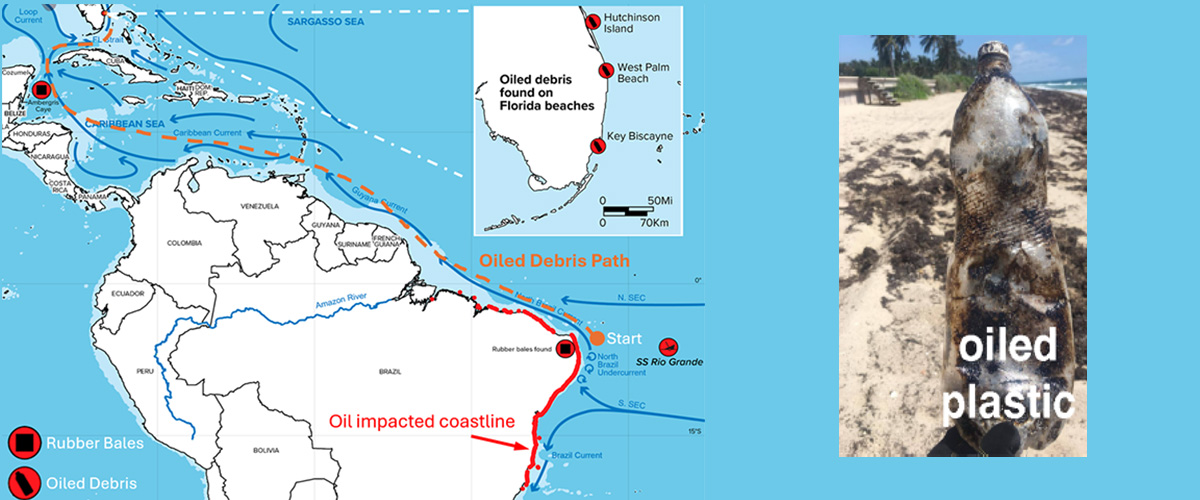
In 2020, the Fiends of Palm Beach (FOPB), a nonprofit organization dedicated to cleaning the coastline of Palm Beach noticed the arrival of an abnorma…
October 15, 2026
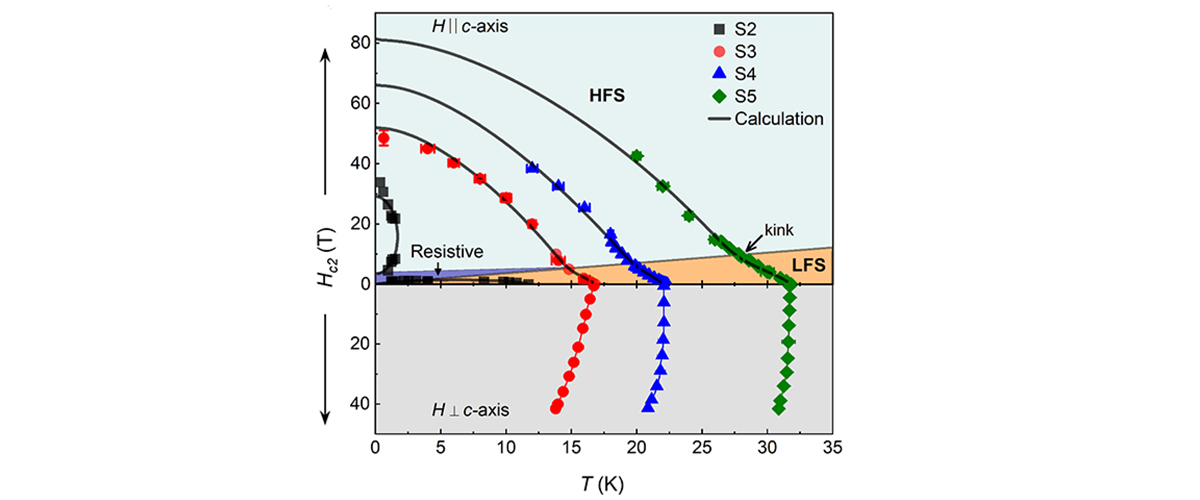
In nickelates, superconductivity vanishes—then surprisingly reappears and remains stable—as the magnetic field grows stronger. This discovery could op…
October 15, 2026
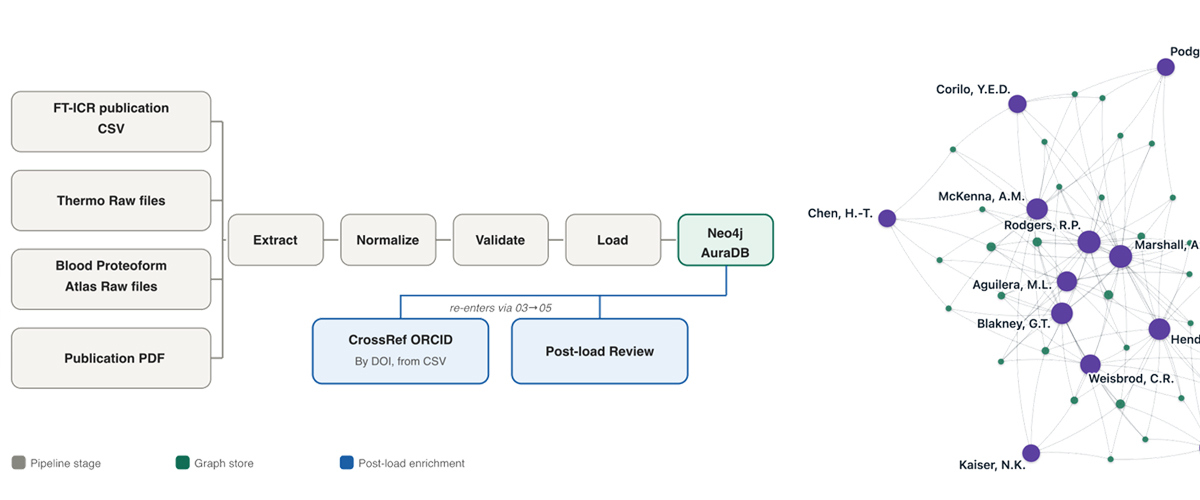
CI Compass students working with MagLab data developed PRISM, a processing pipeline used to generate a scientific knowledge graph containing informati…
September 18, 2026
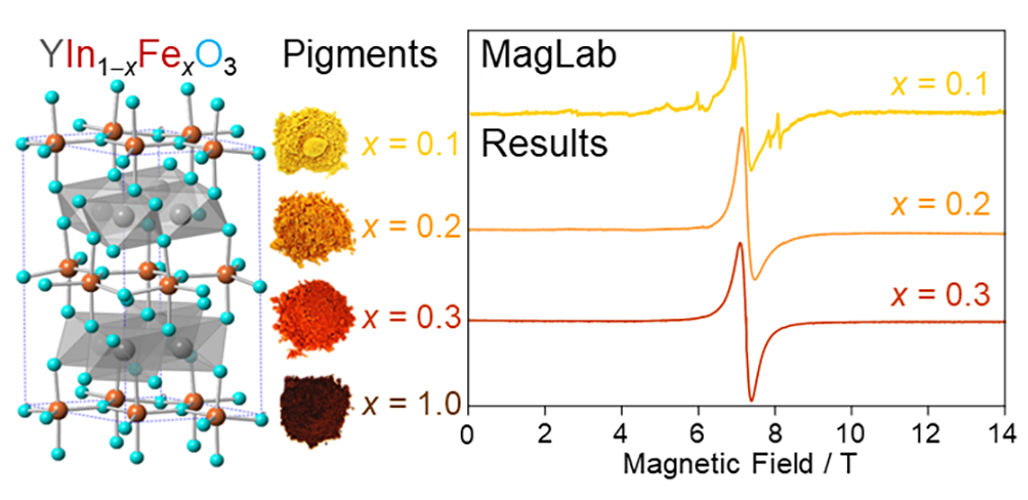
This project involves a characterization of magnetic properties of a novel class of pigments consisting of the elements yttrium, indium, iron and oxyg…
September 18, 2026
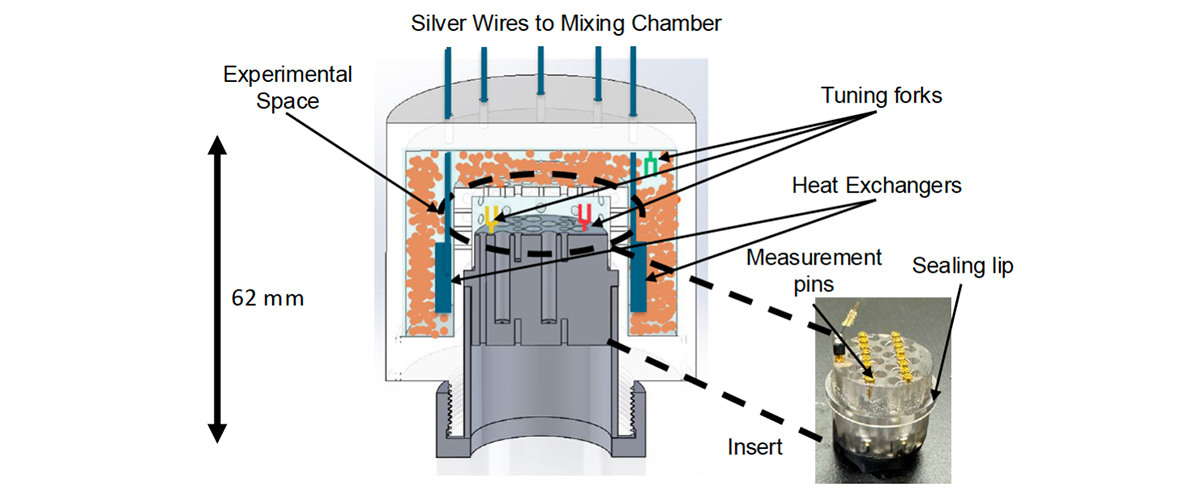
At the MagLab, scientists designed and implemented the "in-cell" magnetic refrigeration to achieve sub-10 mK temperatures in a cryogen-free dilution r…
September 18, 2026
Dr. Hughes’ participation in NASEM Action Collaborative on Science Education project demonstrates her expertise on the national level.
August 18, 2026
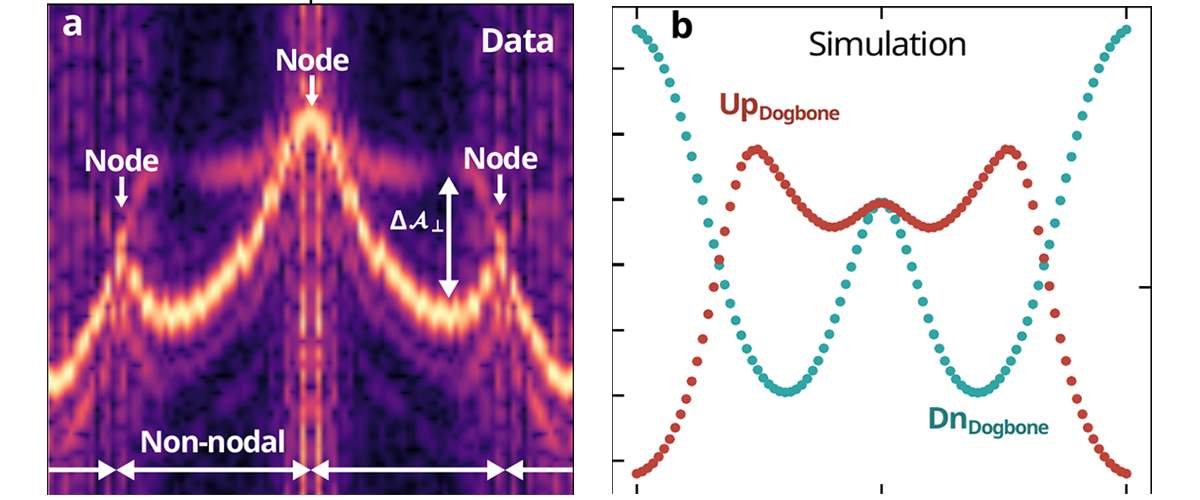
At the MagLab, scientists used the world's strongest continuous magnet to uncover a brand-new kind of magnetism deep inside chromium antimonide, a met…
August 18, 2026
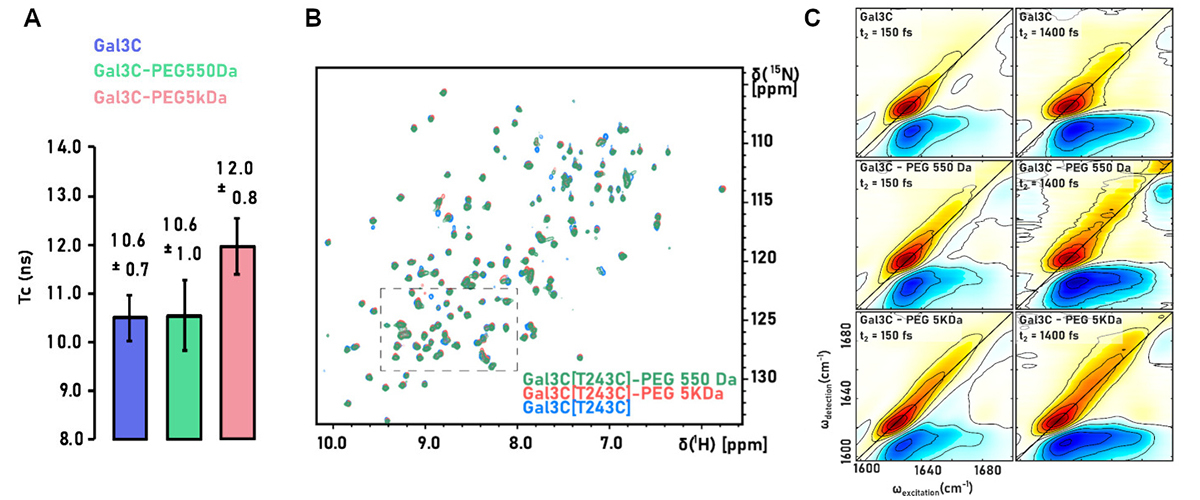
Scientists at the MagLab, the University of Florida, and the University of Texas at Austin used NMR and two-dimensional infrared spectroscopy, support…
July 15, 2026
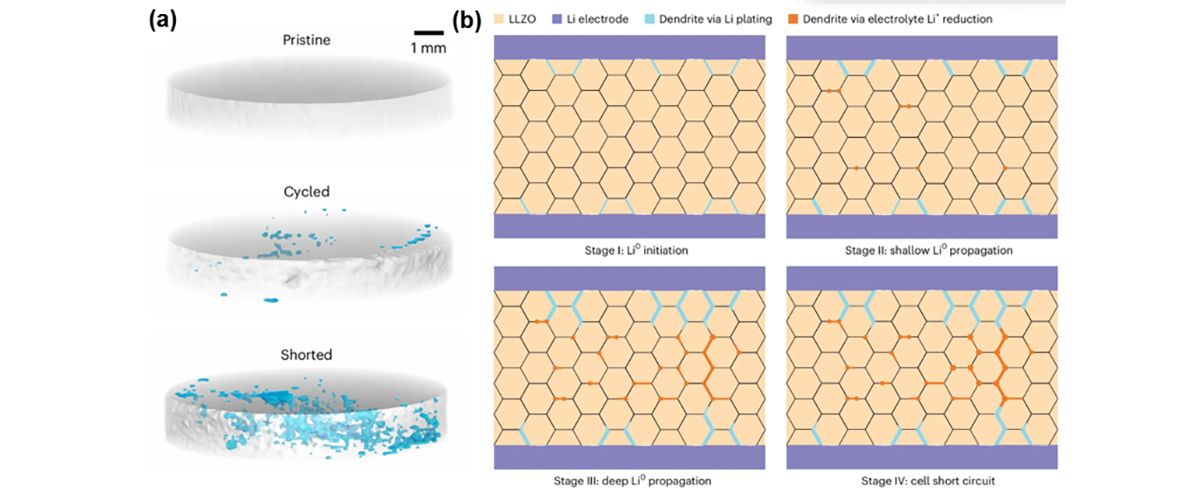
Scientists at the MagLab and their collaborators from Boise State University and Argonne National Laboratory used advanced nuclear magnetic resonance …
June 16, 2026
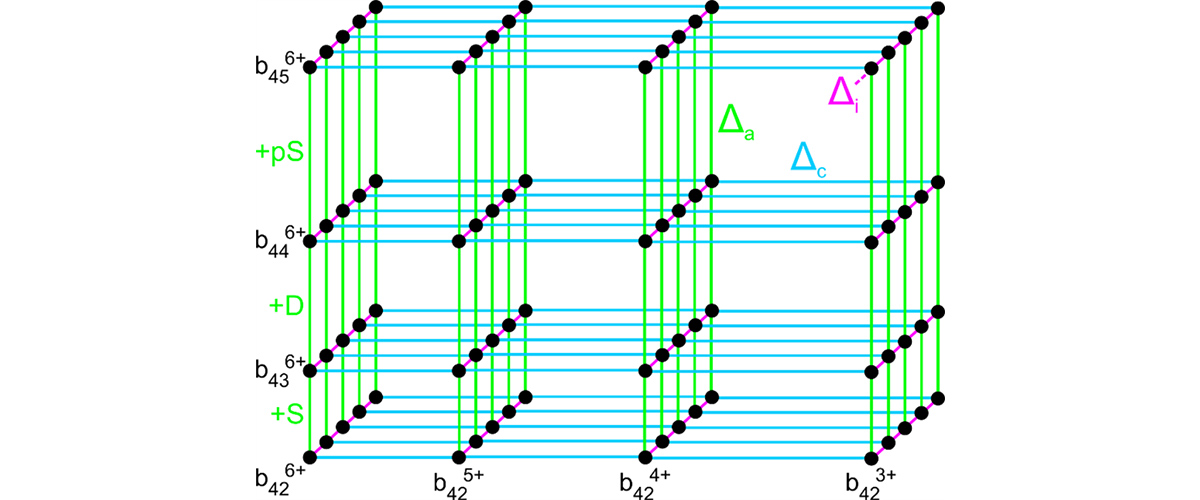
Protein measurements often produce dense, confusing data that are difficult to interpret. By reorganizing this information into connected patterns, re…
June 16, 2026
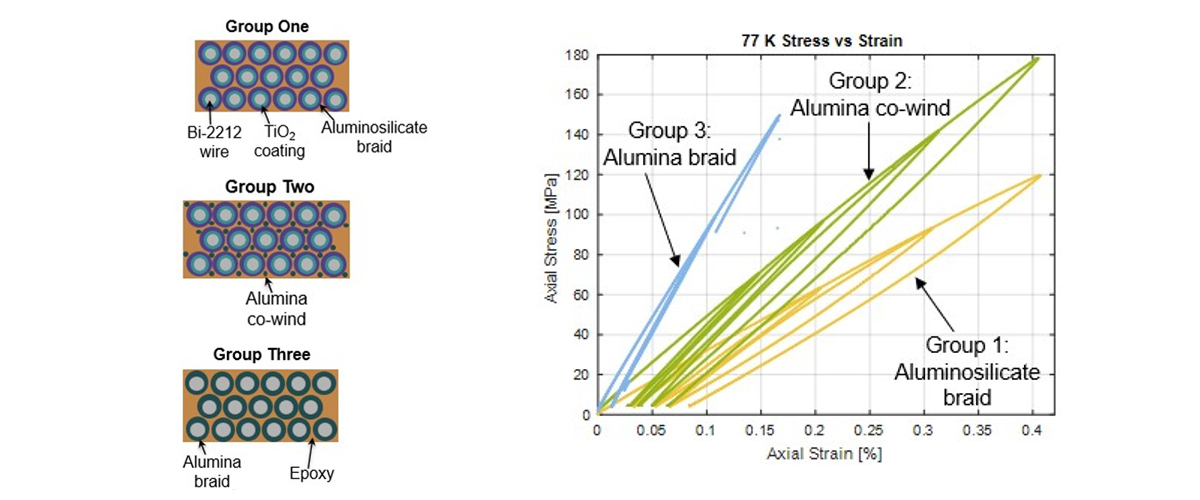
Alumina fibers can be used to strengthen and stiffen superconducting Bi-2212 magnets. Strengthening these magnets is important as it helps them reach …
May 12, 2026
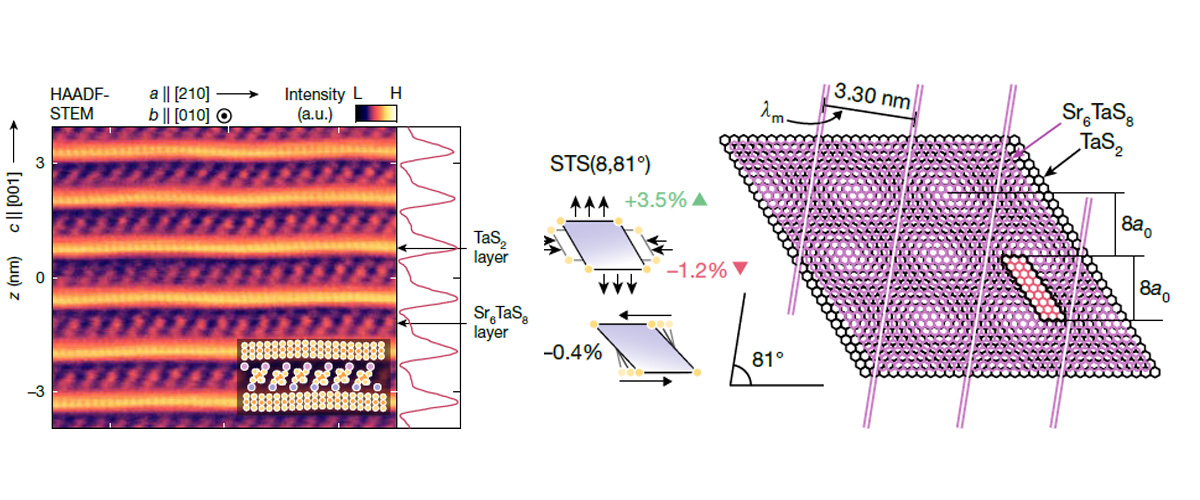
By stacking thin crystal sheets with a slight twist, scientists created a "moiré" metal whose electrons behave as if they live in an effectively highe…
May 12, 2026
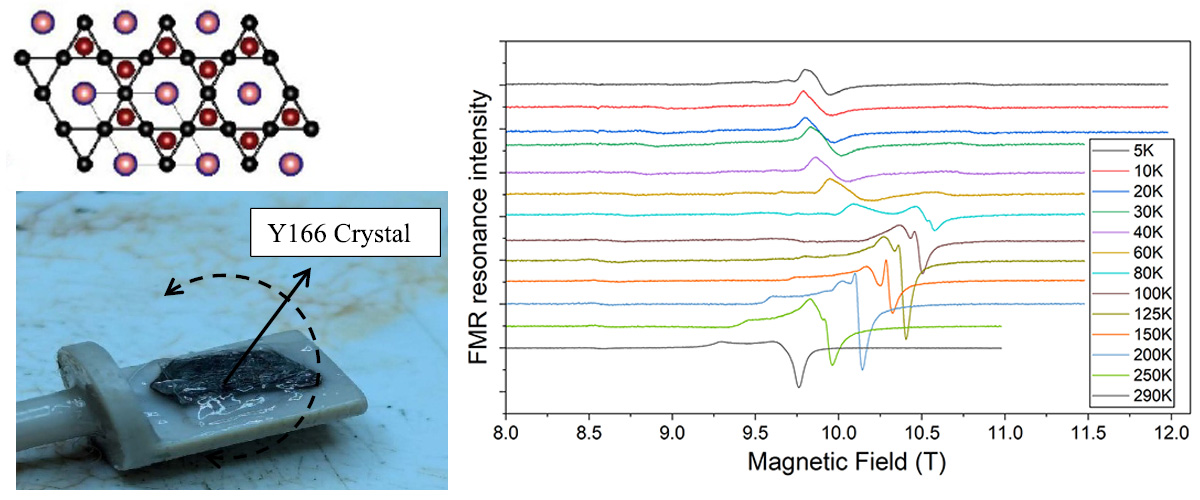
Researchers from the University of Texas at El Paso, Boston College, and the University of Notre Dame came to the MagLab to study the magnetism of an …
May 12, 2026
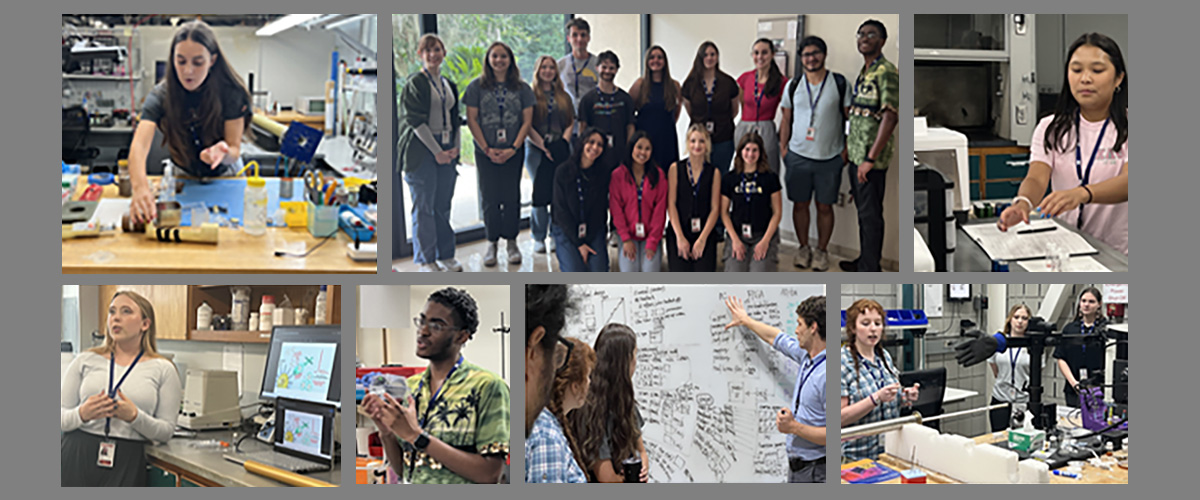
The MagLab’s REU program provides exciting opportunities for college students to work with MagLab scientists on in-depth research projects. After 26 y…
April 16, 2026
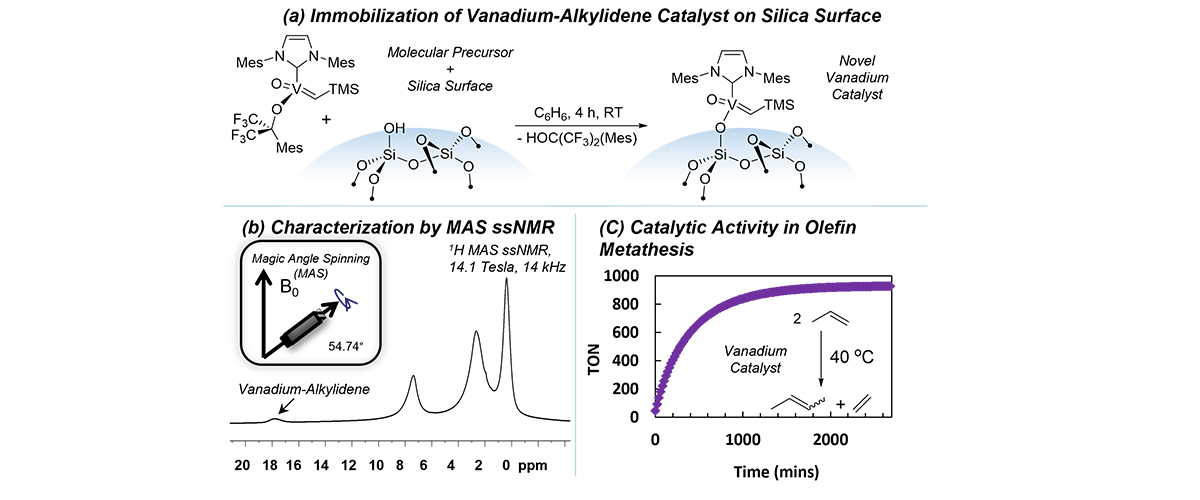
Researchers developed a new compound based on the metal vanadium that catalyzes a reaction called olefin metathesis, which is widely used to produce f…
April 16, 2026
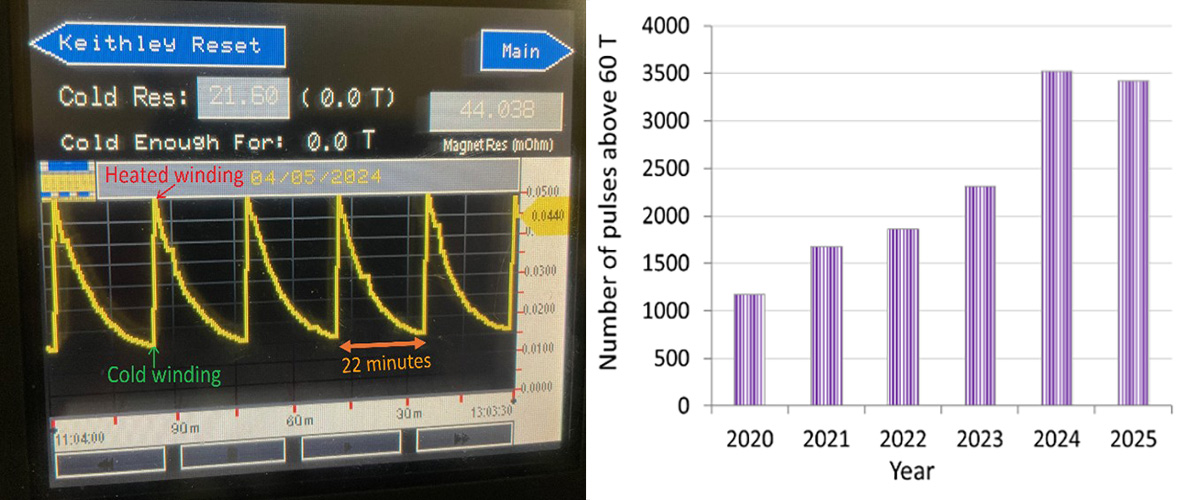
The National MagLab at Los Alamos has expanded experimental capacity with the new 75-T duplex and 60-T mid-pulse magnets, providing users access to hi…
March 10, 2026
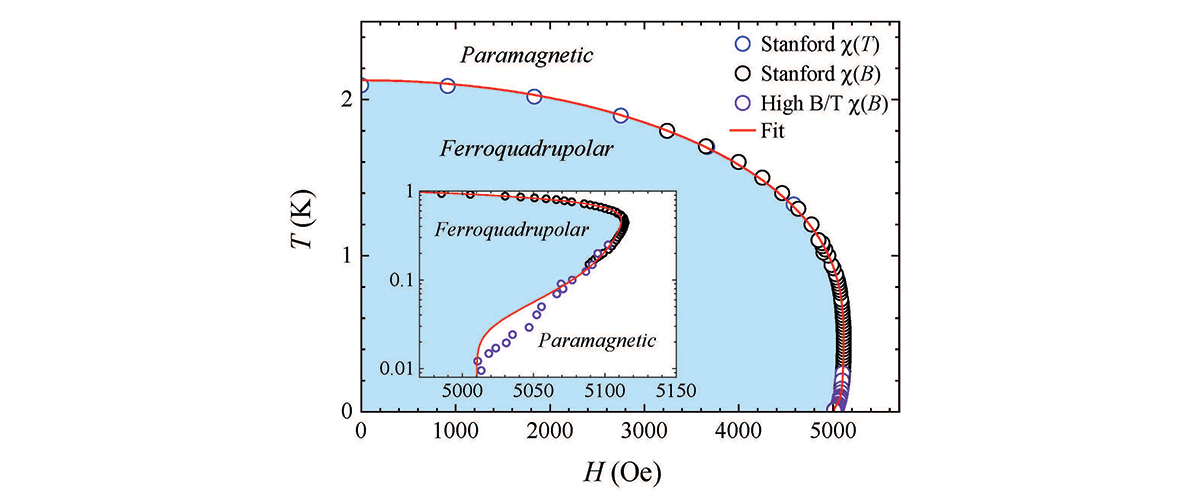
Scientists from Stanford University needed to extend their study of the magnetic phases of the quantum material TmVO4 to ultralow temperatures, so the…
March 10, 2026
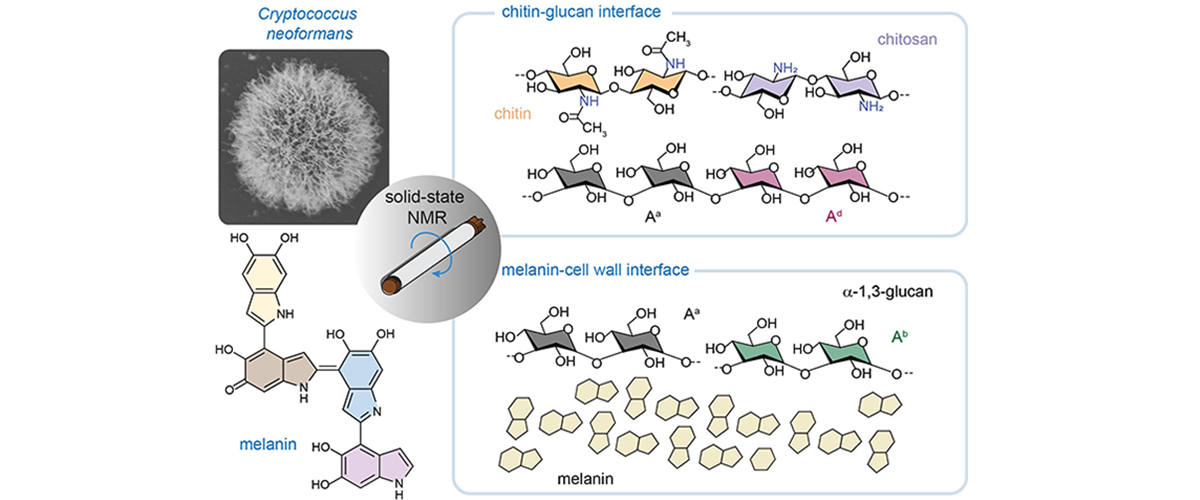
Scientists use dynamic nuclear polarization (DNP), a unique and powerful tool at the MagLab, to study how fungal cell walls are structured, enabling f…
February 10, 2026
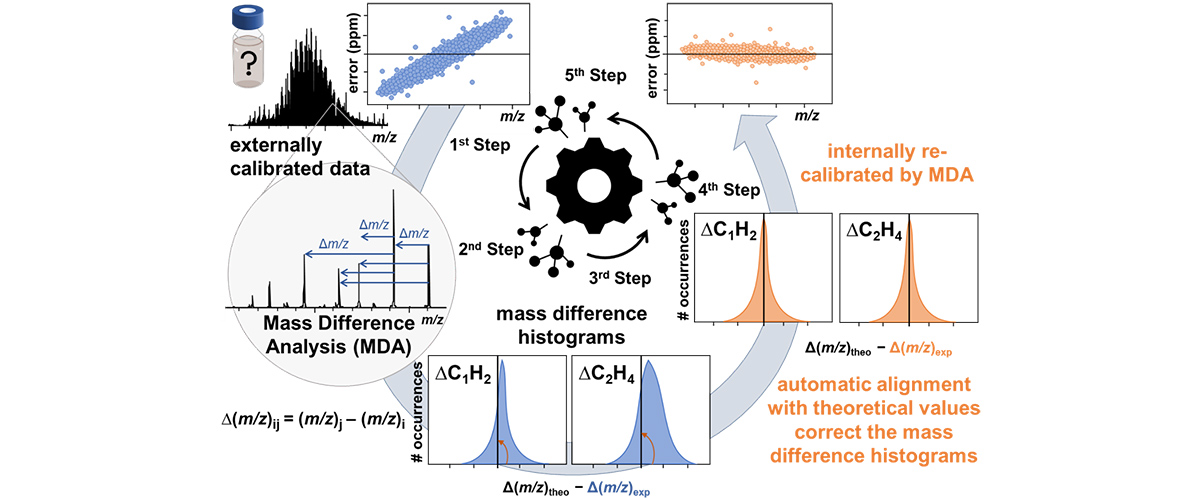
MagLab scientists developed a fully automated method to quickly and accurately calibrate extremely complex mass spectra. The technique compares millio…
February 10, 2026
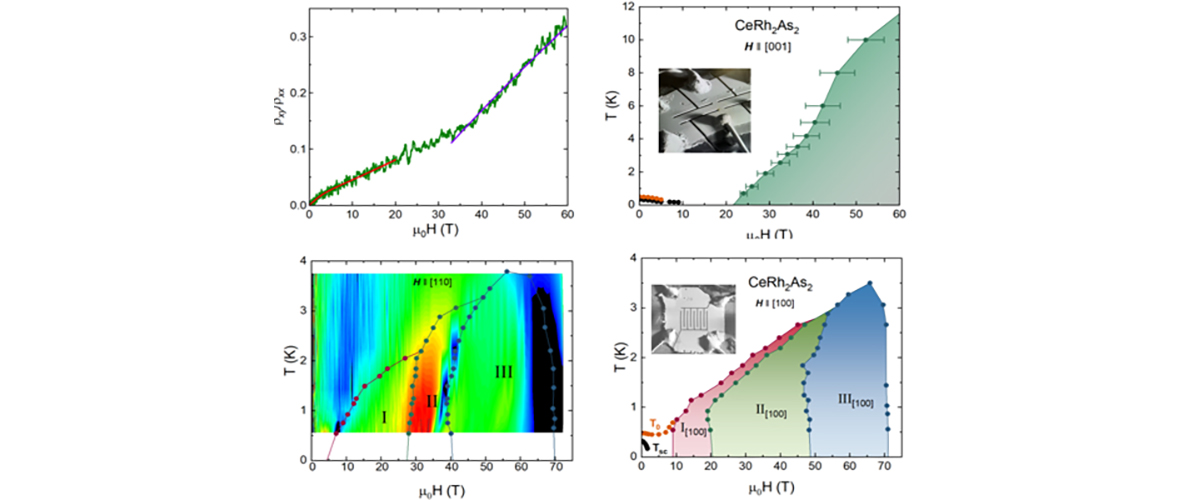
Magnetic fields of up to 73 T were used to provoke electrons in the compound CeRh2As2 into a frenzy of very varied and unexpected behavior. These expe…
January 13, 2026
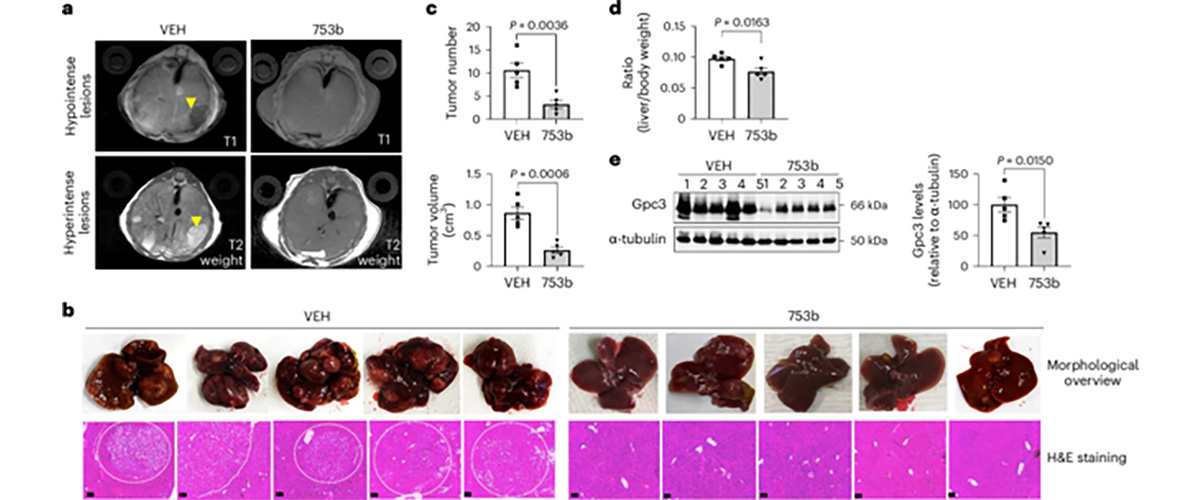
Senescent (aging or deteriorating) cells in the liver can result in metabolic dysfunction-associated steatotic liver disease (MASLD), which is a major…
January 13, 2026
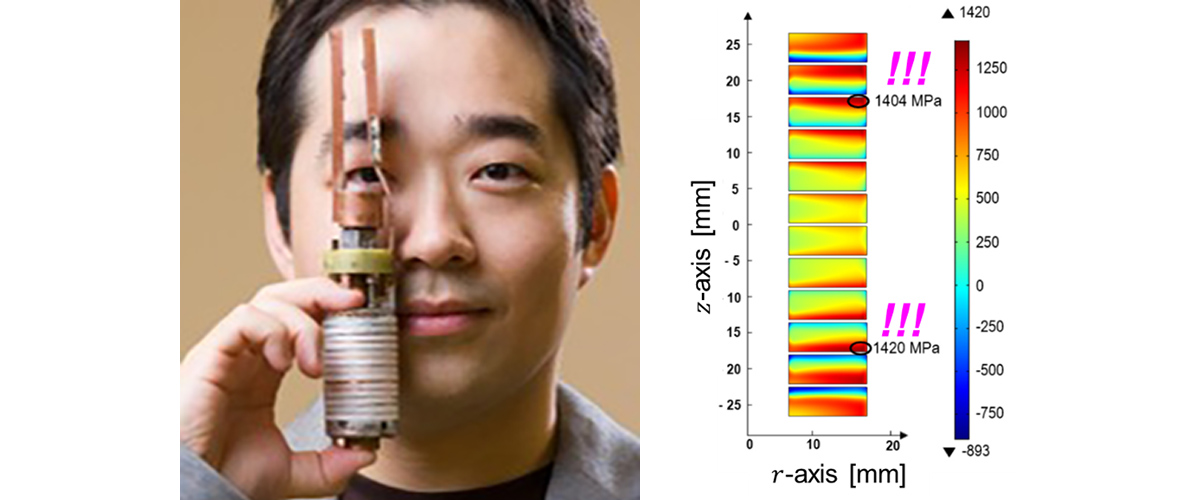
MagLab's mission is to build the world's highest fields for our users. Little Big Coil is the cutting edge R&D test bed for this end - and now we …
Last modified on 15 July 2026