
What is the finding
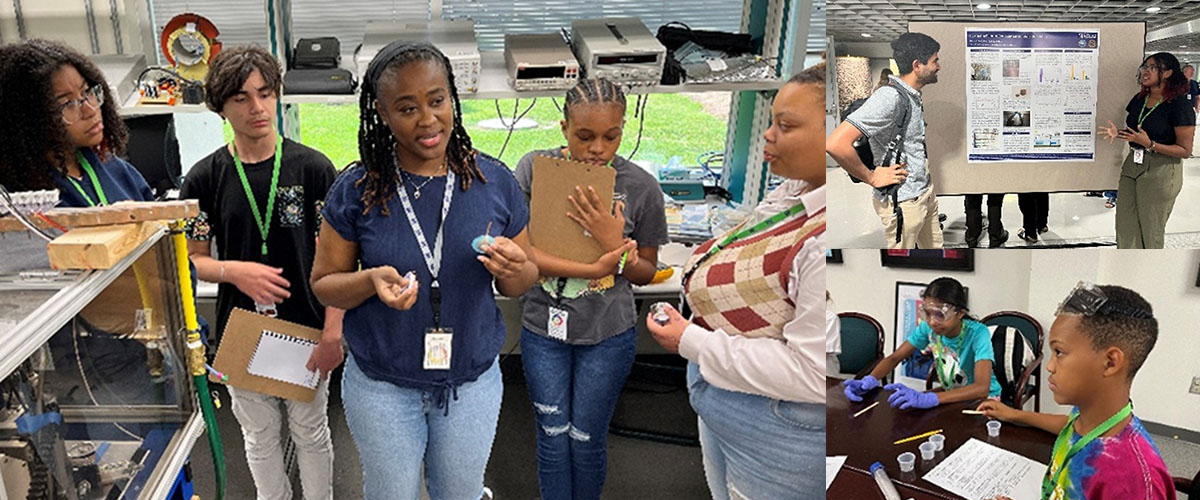
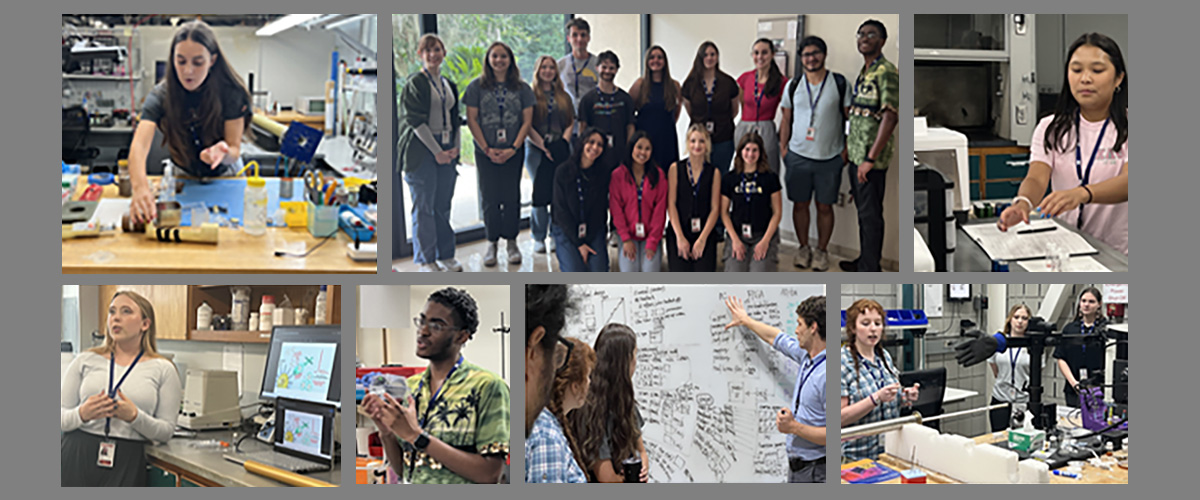
The MagLab’s Center for Integrating Research and Learning (CIRL) has hosted an REU program since 1999. In 2025, sixteen undergraduate students from across the country participated in a 10‑week research experience that allowed them to explore scientific research as a career path and develop research skills in an authentic laboratory environment. Because mentoring is central to the program’s success, participants were asked to evaluate their mentoring experience. Ninety‑four percent of respondents reported working well with their mentor, and 100% indicated they were satisfied or very satisfied with the overall program. Additionally, ninety‑four percent rated their primary research mentor as above average or outstanding.
Why is this important?
REU programs play a vital role in engaging students in STEM, supporting their career development, and broadening participation in the scientific workforce (National Academies of Sciences, Engineering, and Medicine, 2017). Mentors are central to this impact, as positive mentoring relationships help students navigate STEM culture and build their identities as emerging professionals (NASEM, 2017). One MagLab REU student reflected: “My mentor was incredible. She made it a priority to expose me to as many areas of the field as possible, even connecting me with other mentors so I could learn beyond her own scope of expertise…Her support has gone far beyond what I ever could have expected.” Experiences like this illustrate how meaningful mentoring can shape students’ confidence, learning, and long‑term trajectories in STEM.
Who did the research?
Kawana Johnson
Center for Integrating Research and Learning (CIRL) at the National High Magnetic Field Laboratory
Why did they need the MagLab?
Mentors play an essential role in supporting REU students, offering guidance and helping them develop a sense of belonging as they navigate the research experience (NASEM, 2017). Through this program, we were able to positively influence student participants while also collecting valuable data that underscores the importance of continued investment in programs that promote STEM engagement through meaningful mentorship
Details for scientists
- Read the full-length publication, National Academies of Sciences, Engineering, and Medicine. (2017). Undergraduate research experiences for STEM students: Successes, challenges, and opportunities. Washington, DC, in The National Academies Press
Funding
This research was funded by the following grants: K. M. Amm (NSF DMR-2128556)
For more information, contact Kawana Johnson.