

The MagLab is funded by the National Science Foundation and the State of Florida.
The MagLab is funded by the National Science Foundation and the State of Florida.
A showcase of the most promising and cutting-edge research underway at the DC Field Facility.
August 18, 2026
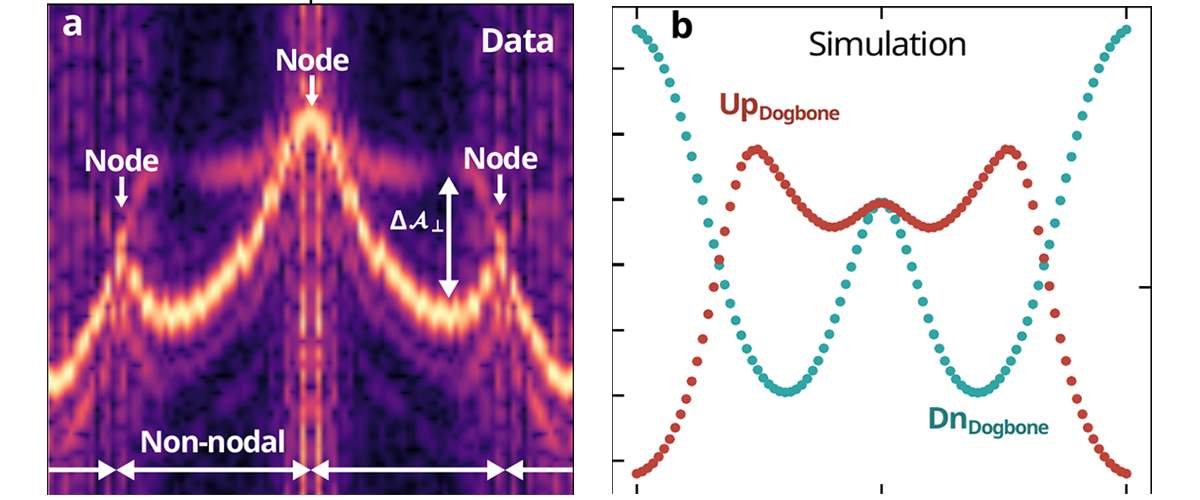
At the MagLab, scientists used the world's strongest continuous magnet to uncover a brand-new kind of magnetism deep inside chromium antimonide, a met…
May 12, 2026
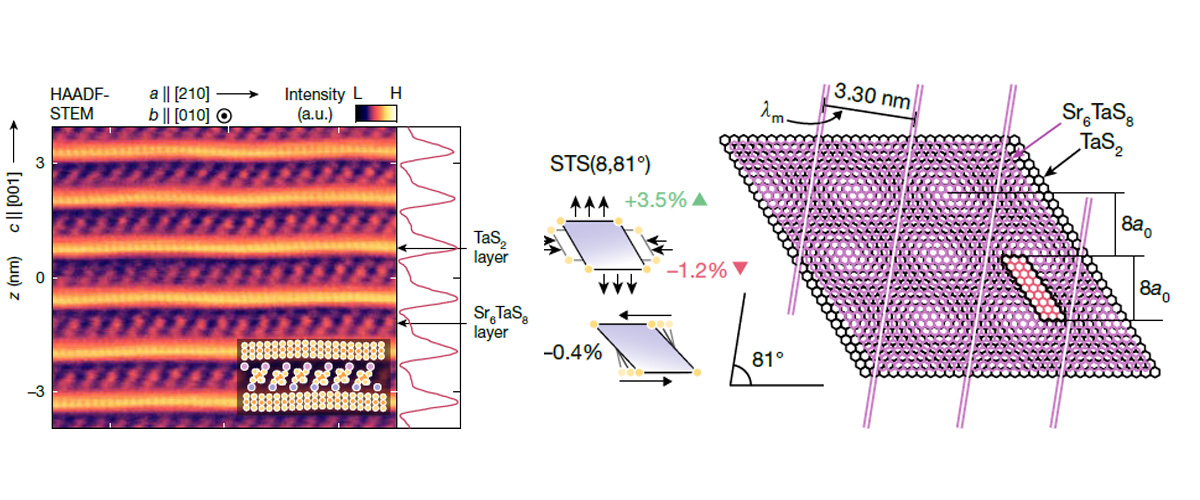
By stacking thin crystal sheets with a slight twist, scientists created a "moiré" metal whose electrons behave as if they live in an effectively highe…
December 19, 2025
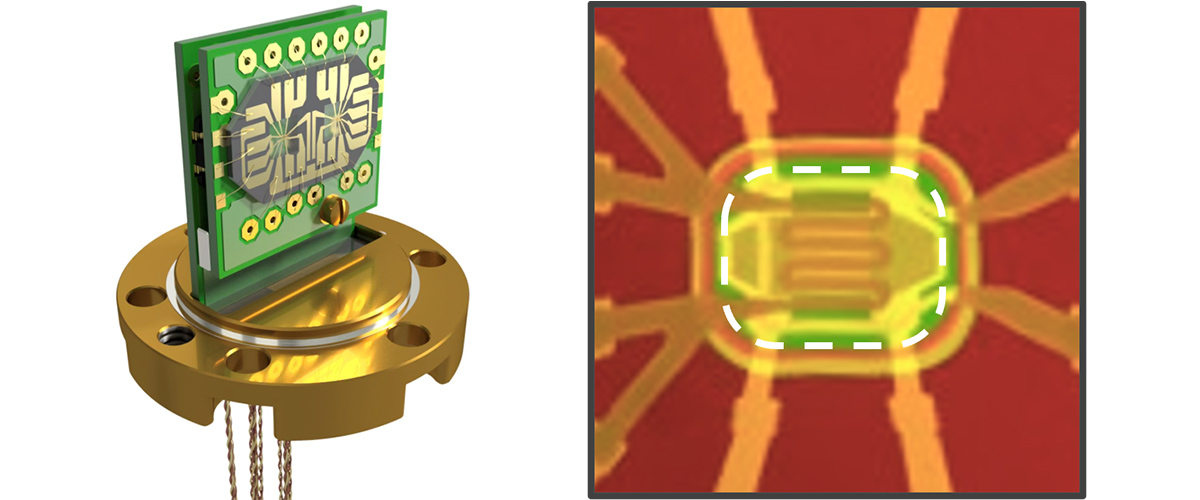
We discovered strong evidence for a brand-new kind of “electron-like” particle in an electrical insulator: it behaves like an electron in motion but c…
October 14, 2025
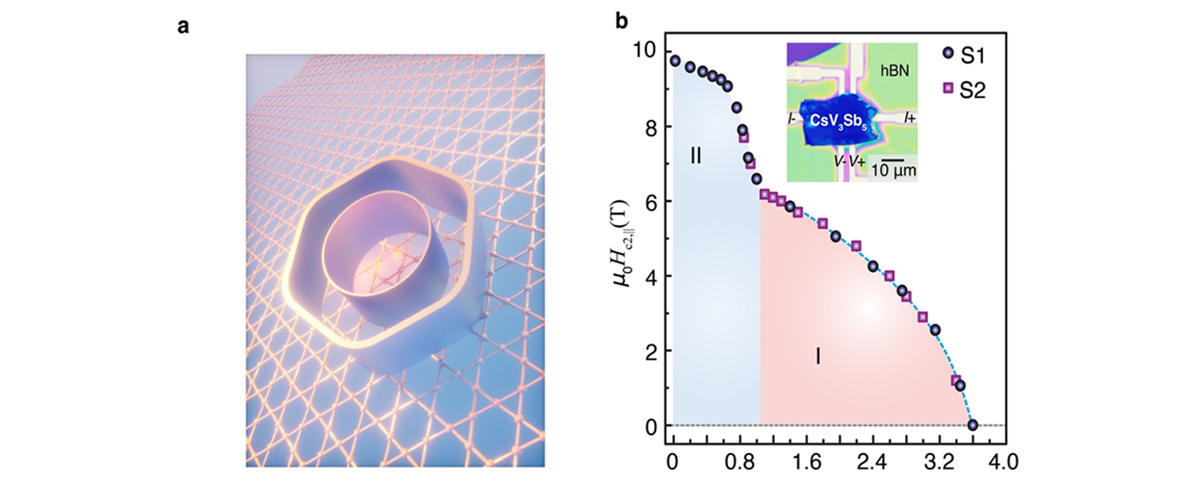
Scientists at the National High Magnetic Field Laboratory have discovered that the kagome superconductor CsV3Sb3 hosts not one but two distinct superc…
July 17, 2025
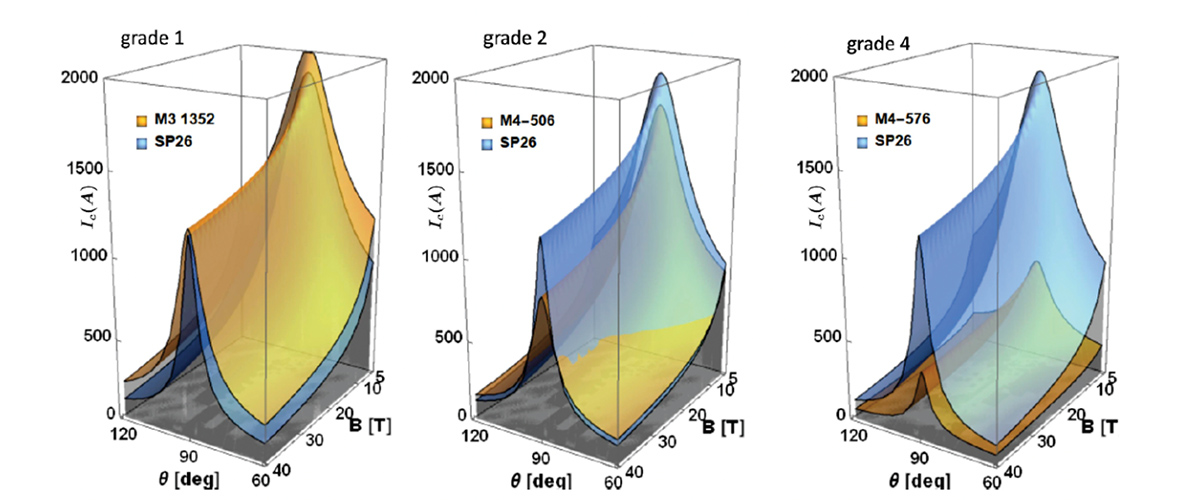
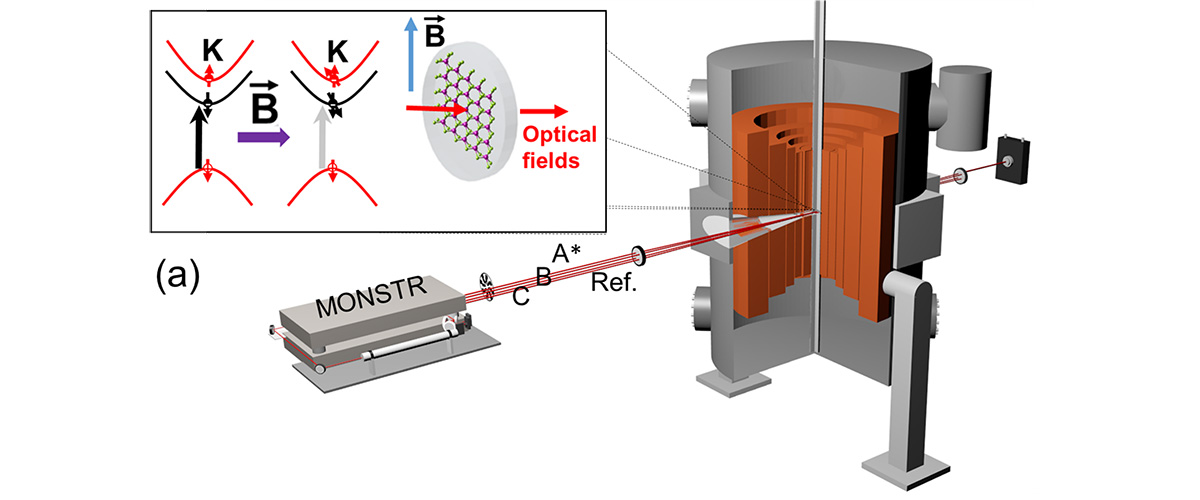
A new technique from MagLab researchers uses a material’s natural twist in a magnetic field to quickly measure its performance, paving the way for nex…
March 10, 2025
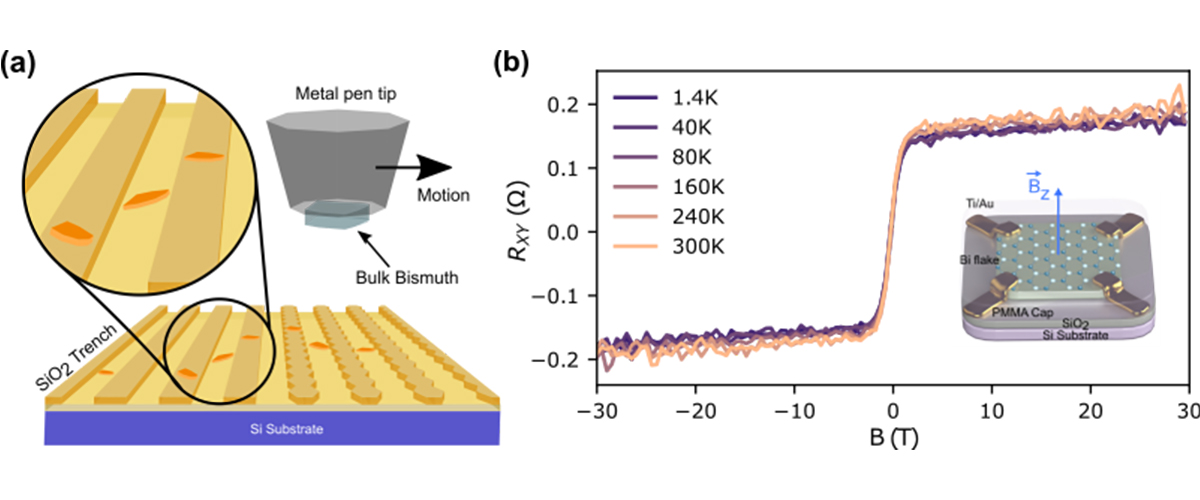
Our ability to observe new physics sometimes depends on the thinnest of margins and in the case of MagLab users from McGill University, that margin is…
January 14, 2025
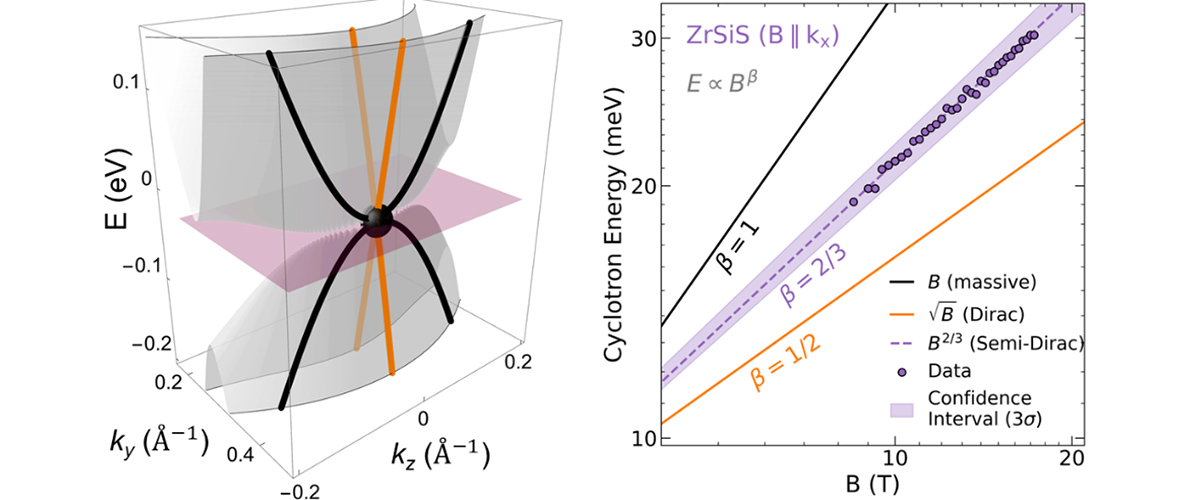
In the zoo of emerging quasiparticles in condensed matter physics, semi-Dirac fermions stand out as being massive and massless depending on the direct…
December 12, 2024
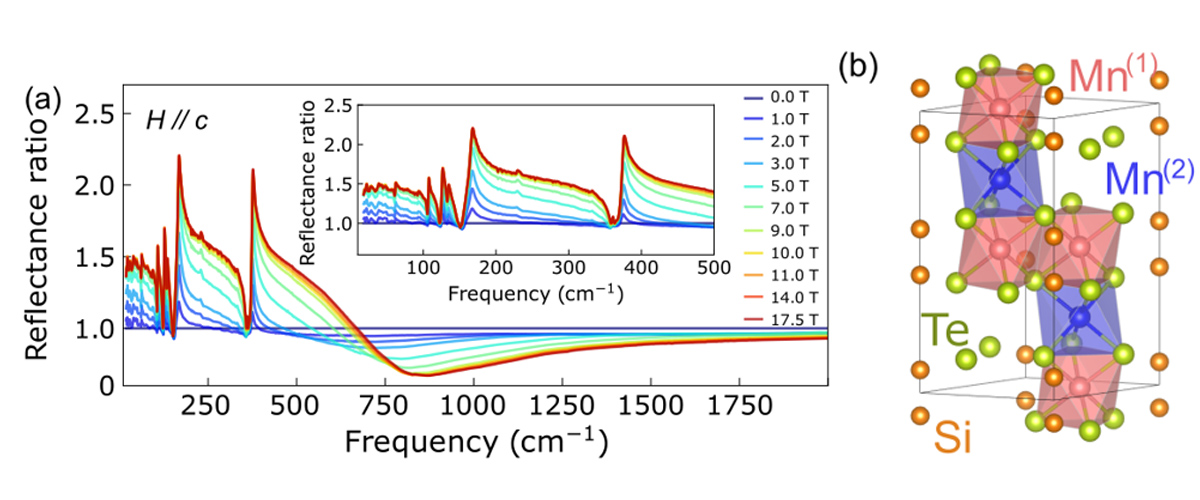
The physical properties of any solid material are determined by what happens in the quantum realm. How the electrons interact with each other, their s…
September 12, 2024
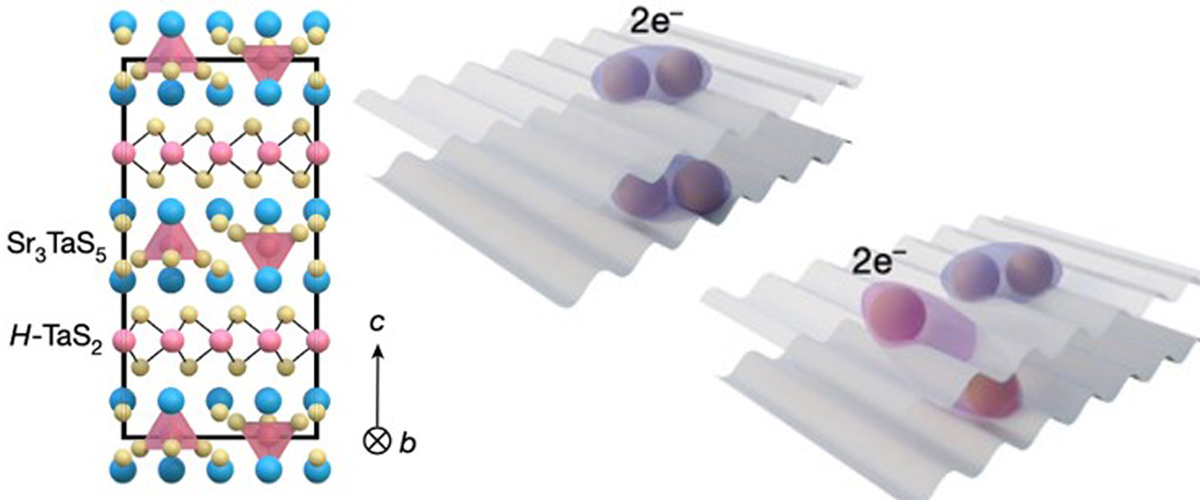
Since the observation of Hofstadter’s Butterfly in graphene, scientists have been working on a veritable zoo of materials which can be exfoliated down…
June 20, 2024
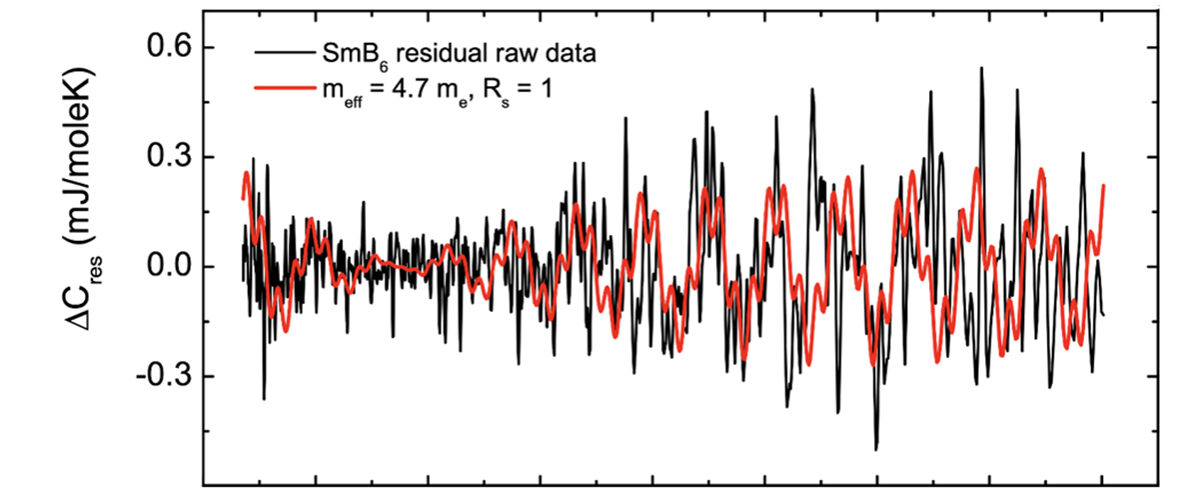
Topological materials are fascinating because they take the weirdness of quantum mechanics and turn it up a few notches to 11. The behavior of Samariu…
April 17, 2024
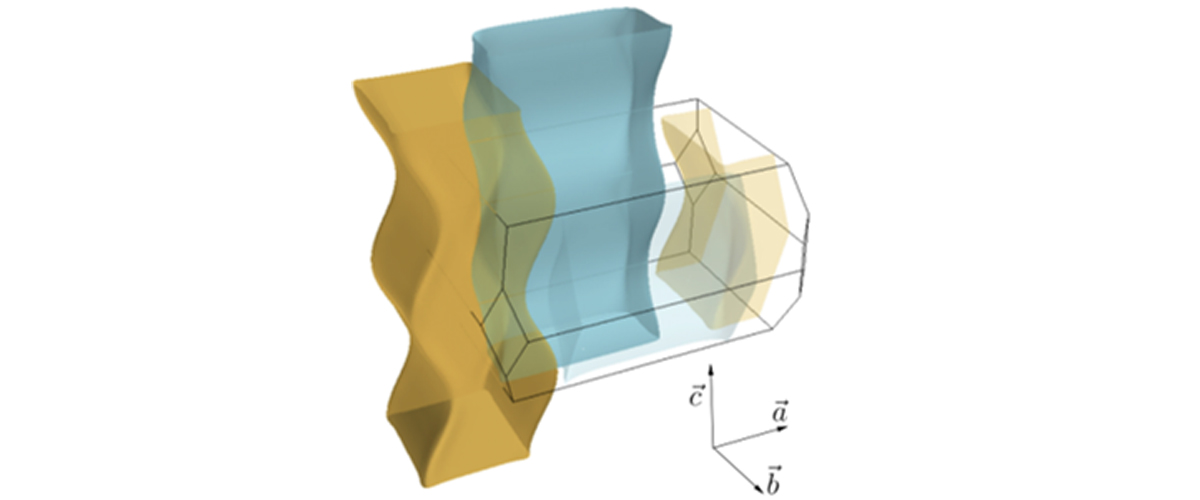
At ultra-low temperatures in the 32T all superconducting magnet, MagLab users fully mapped out the Fermi surface of UTe2, learning more about how elec…
January 23, 2024
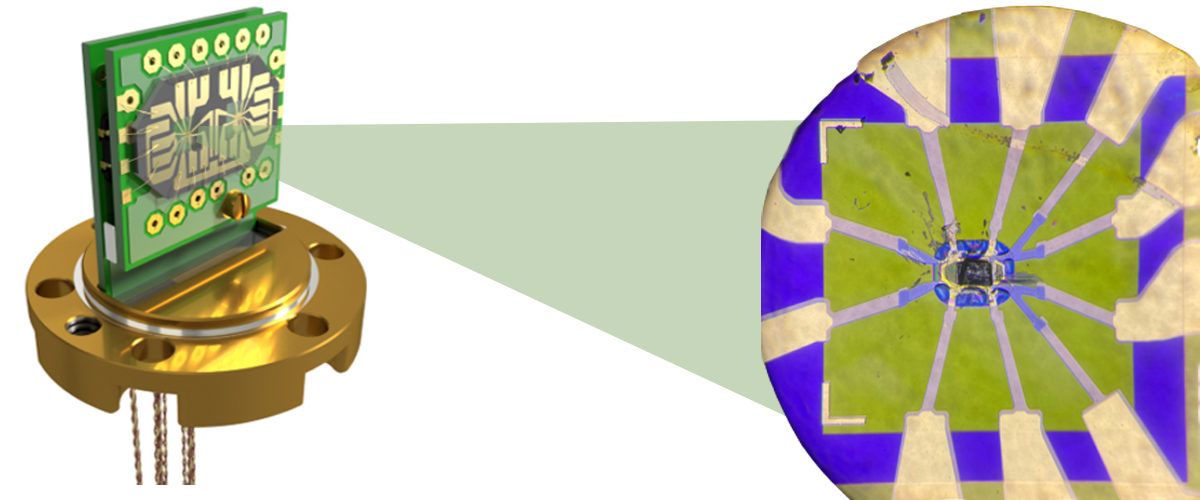
This work demonstrates how heat is transmitted through elemental indium using thermal impedance spectroscopy. Spanning 5 orders of magnitude in freque…
November 16, 2023
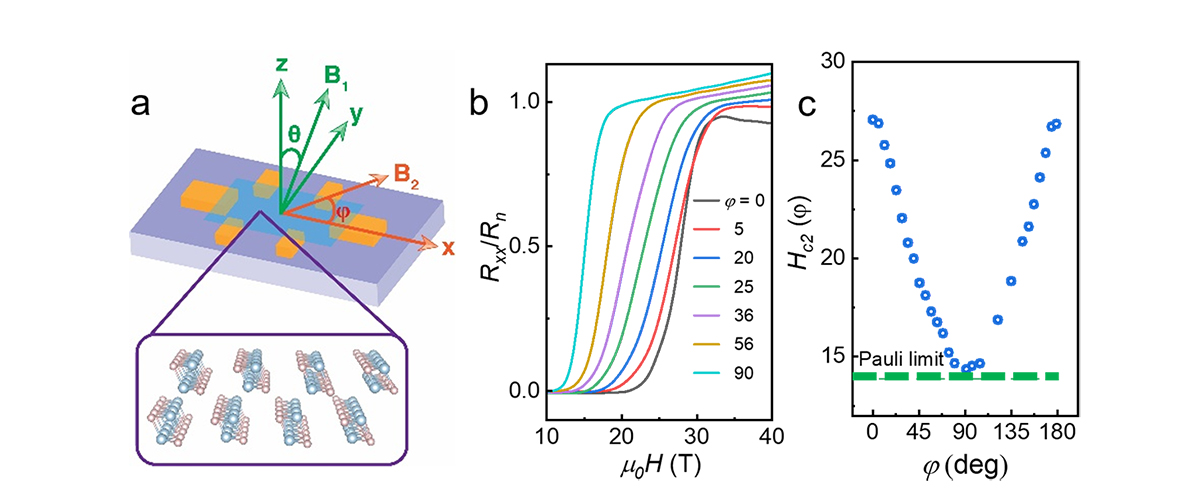
Research on a tungsten disulfide material (1T’-WS2) reveals a superconducting state that is able to carry an incredibly large amount of current within…
September 11, 2023
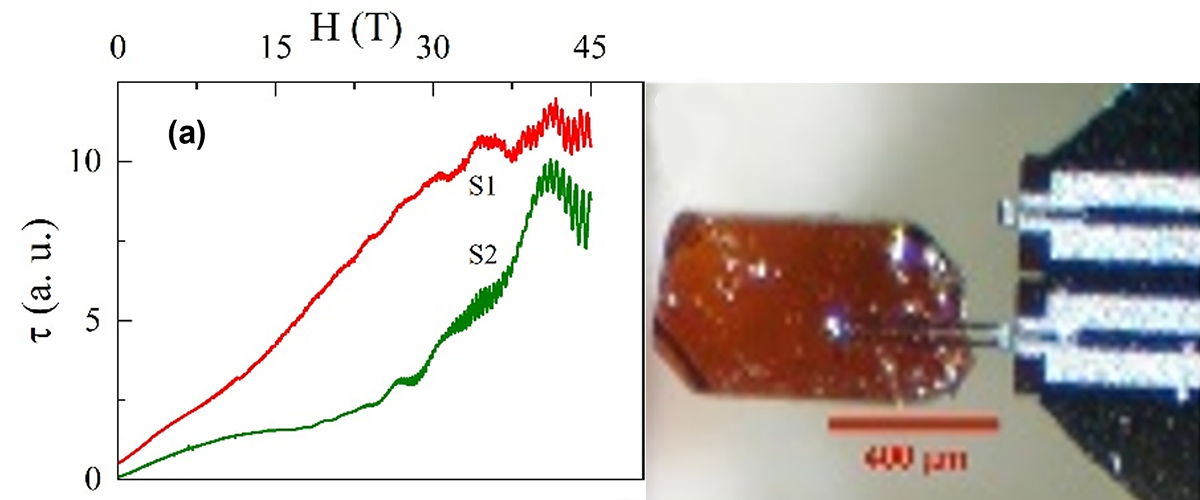
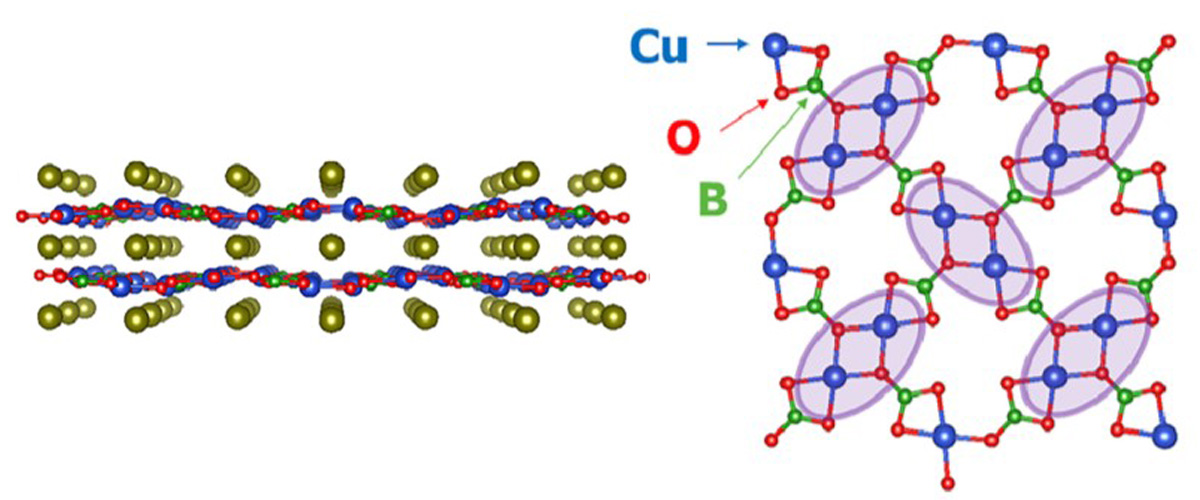
Kagome is the name given to the traditional Japanese star-like pattern to form baskets. The same geometric pattern can be found in the crystal structu…
September 11, 2023
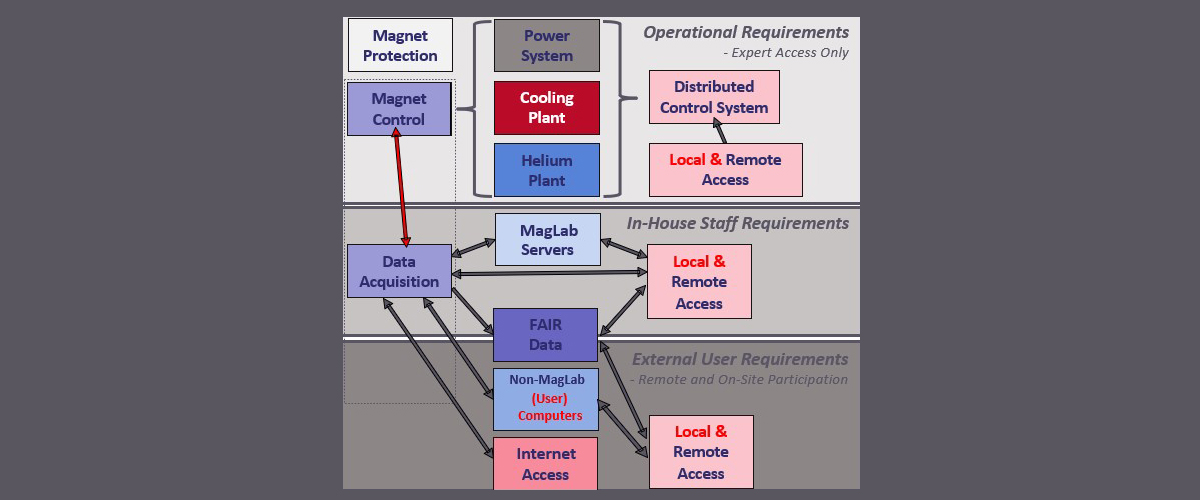
A specialized cybersecurity approach was developed to meet the needs of a user research facility.
July 14, 2023
April 24, 2023
Probing one of the prominent classes of atomically-thin materials, the transition metal dichalcogenides, researchers found that while dark excitons ar…
January 23, 2023
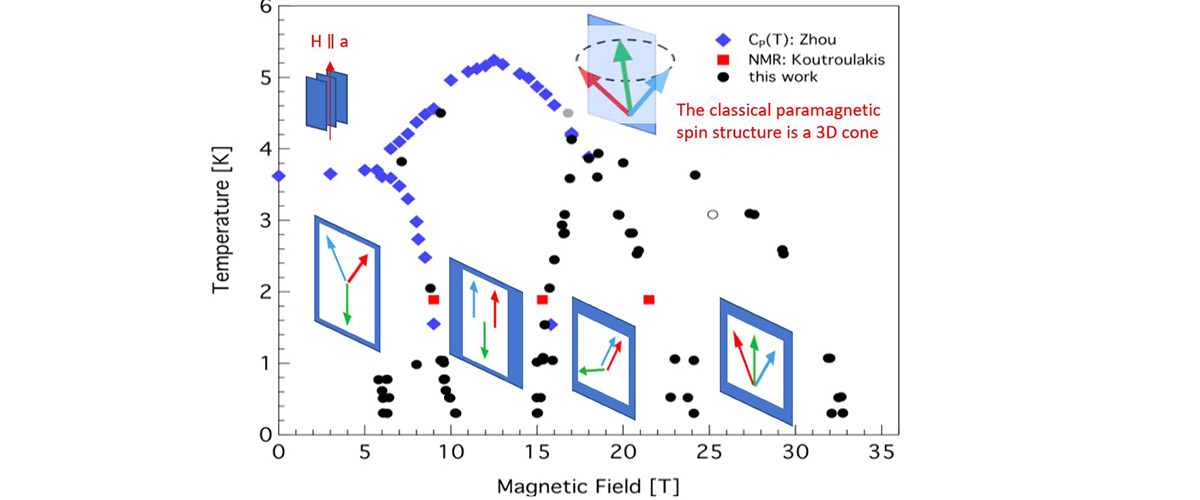
Using high magnetic fields and low temperatures, scientists were able to observe a complex set of quantum fluctuations in a Barium, Cobalt, Antimony a…
October 18, 2022
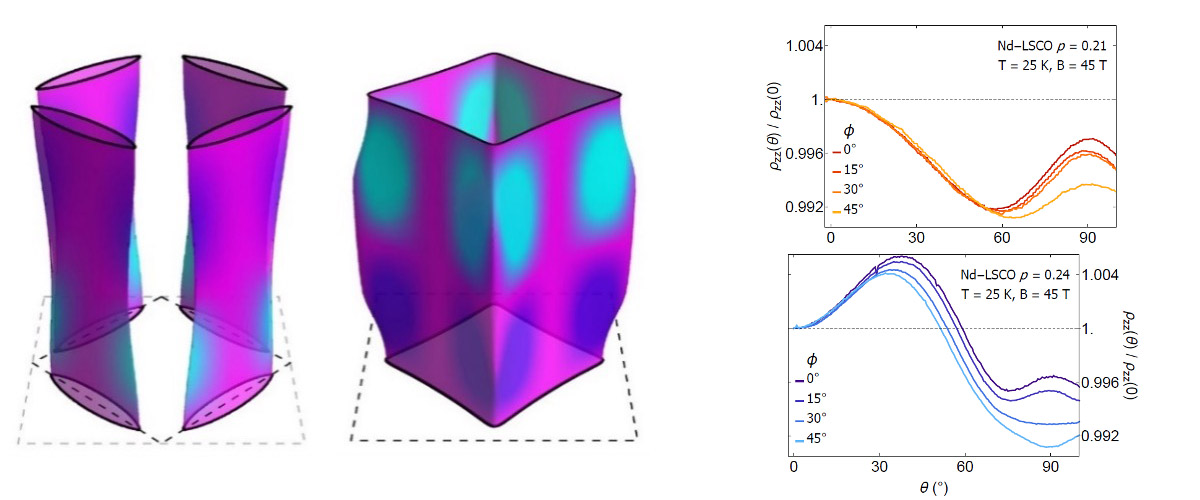
In high-temperature superconductors, a region exists between the superconducting and normal states known as the pseudogap state. Using the 45T hybrid …
July 18, 2022
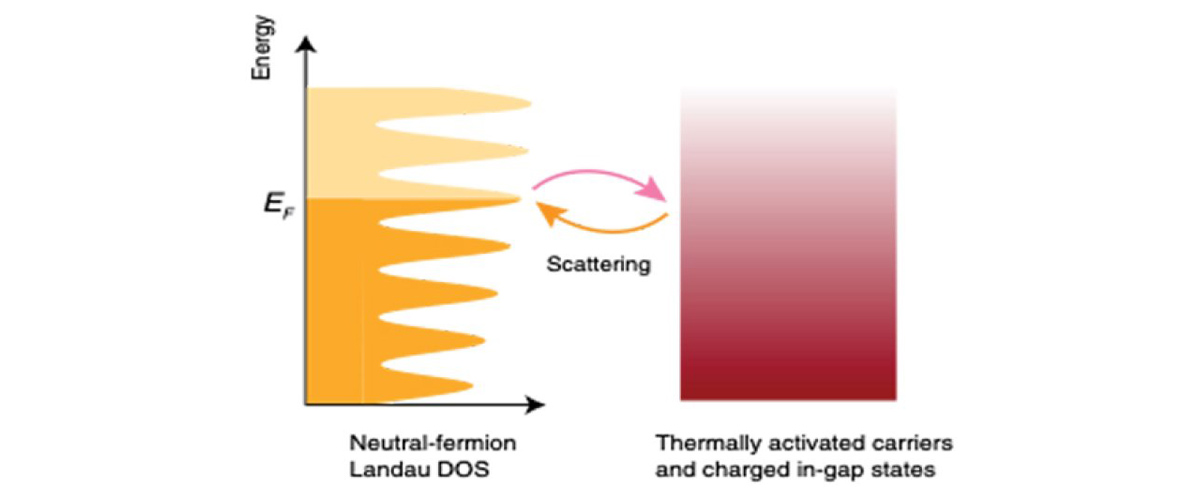
Three complementary measurements in intense magnetic fields shed light on a very unusual material that behaves like a metal, but does not conduct elec…
March 11, 2022
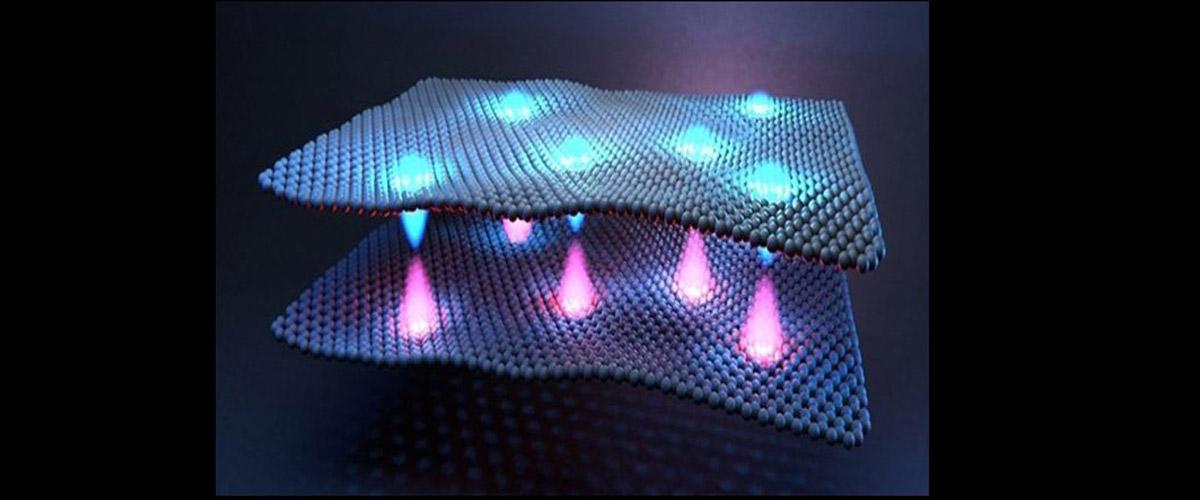
Theory predicted that the transition between the superconducting and superfluid regimes should be continuous for electrons and holes in solid material…
January 25, 2022
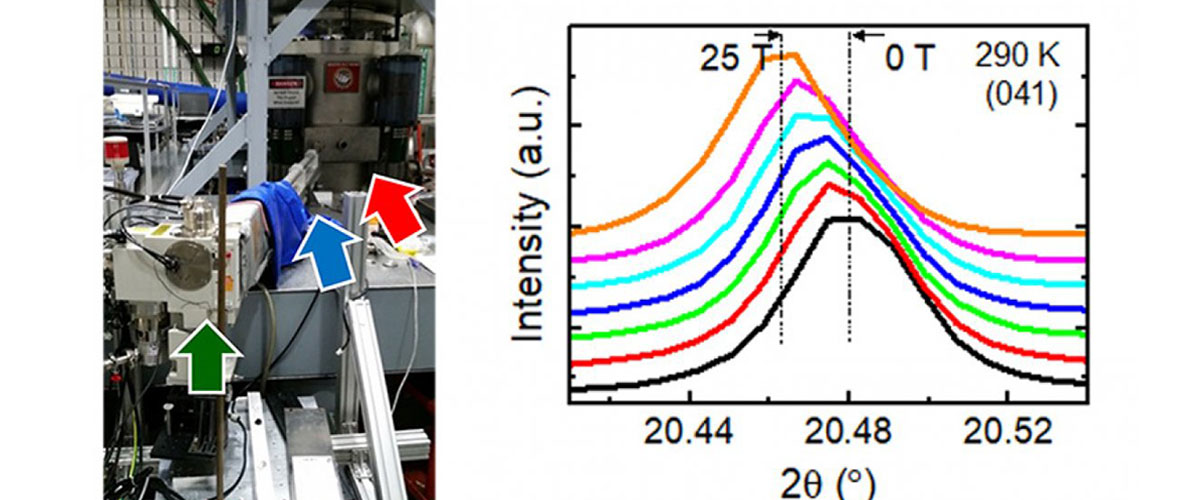
Using X-ray diffraction, scientists can now detect atoms themselves moving further apart or closer together in high magnetic fields, giving science a …
November 22, 2021
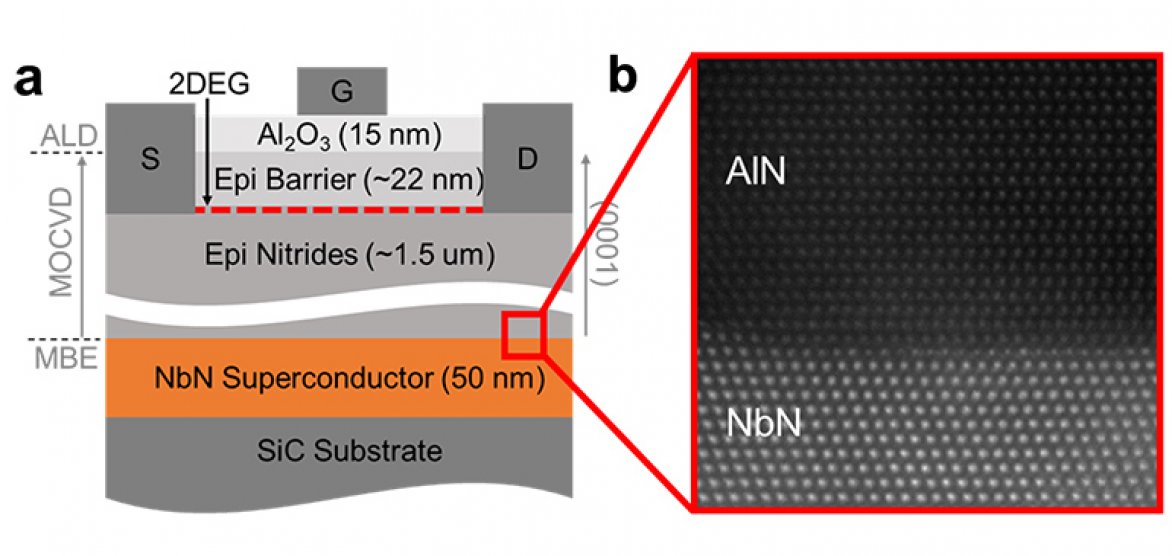
Gallium nitride (GaN) and Niobium nitride (NbN) are widely used in today's technologies: GaN is used to make blue LEDs and high-frequency transistors …
September 22, 2021
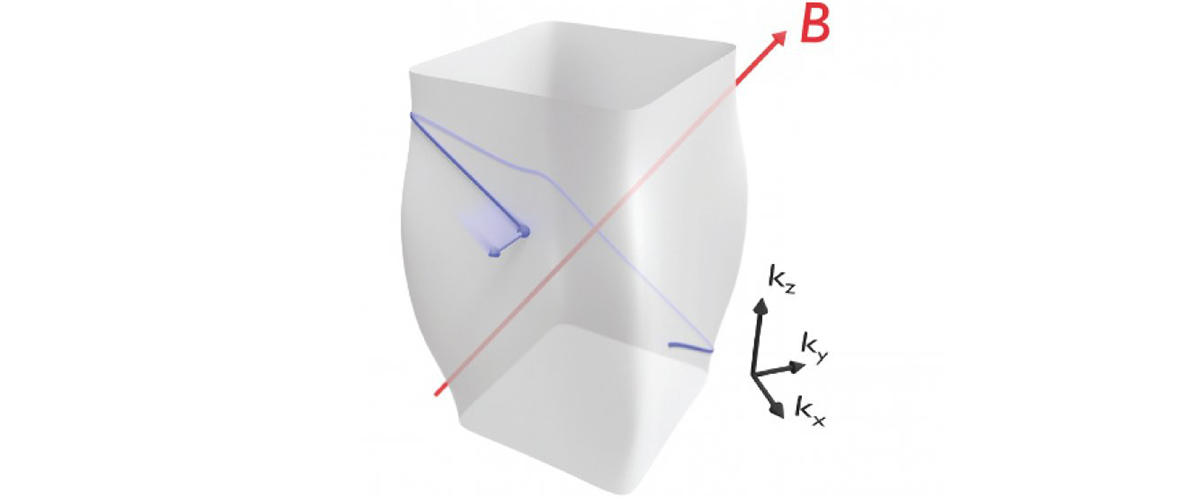
Electrons in metals behave like chaotic bumper cars, crashing into each other at every opportunity. While they may be reckless drivers, this result de…
August 20, 2021
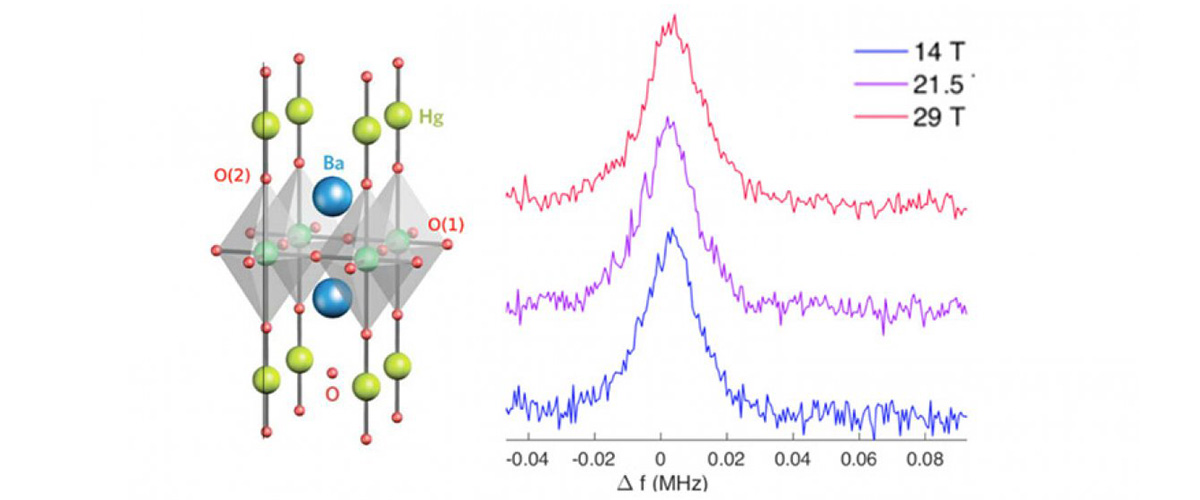
The MagLab's 32 T all-superconducting magnet is now serving users at full field. An early experiment in the magnet identified an important milestone o…
May 28, 2021
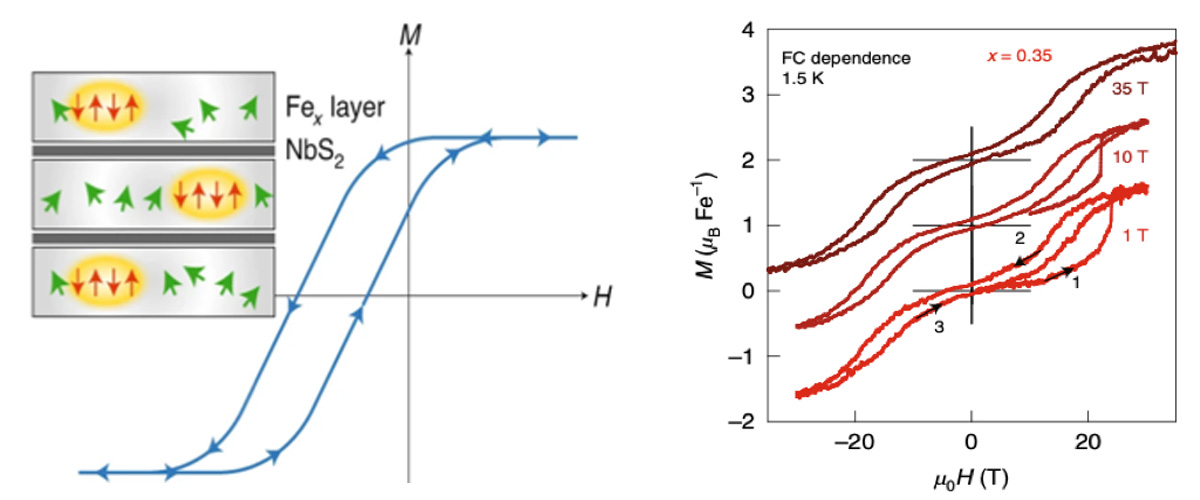
A pane of window glass and a piece of quartz are both are transparent to light, but their atomic structure is very different. Quartz is crystalline at…
March 26, 2021
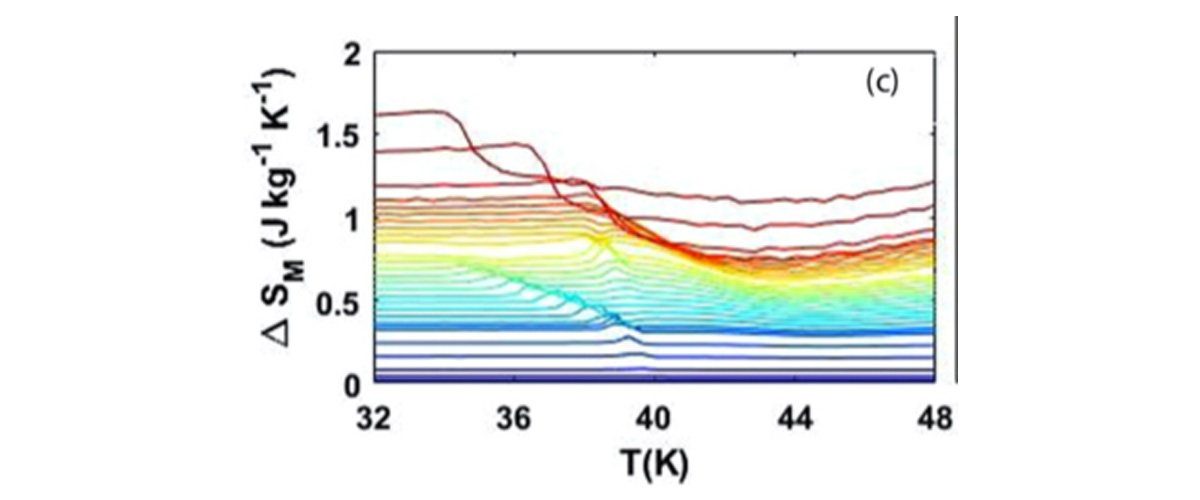
Researchers based at four-year colleges and universities outside of the Research-1 (R1) tier face more obstacles to performing research than their col…
![(Left) 125Te spectral line and effective gamma with respect to magnetic field. Black circles are from the 36T Series Connected Hybrid while the pink diamonds are from the new HTS 32T magnet. (Right) Phase diagram for H//c highlighting the possible spin-nematic state. [PRB 94 064403 2016] Solid circles are from magnetostriction. Open circles from magnetostriction and thermal expansion. Open triangles from magnetization.](/media/z0nigcdk/jan2021_dc_field_probing_spin_nematic_state.jpg)
January 19, 2021
Nuclear magnetic resonance measurements were performed in the all-new 32 T superconducting magnet in an effort to confirm a new quantum state. Results…
October 28, 2019
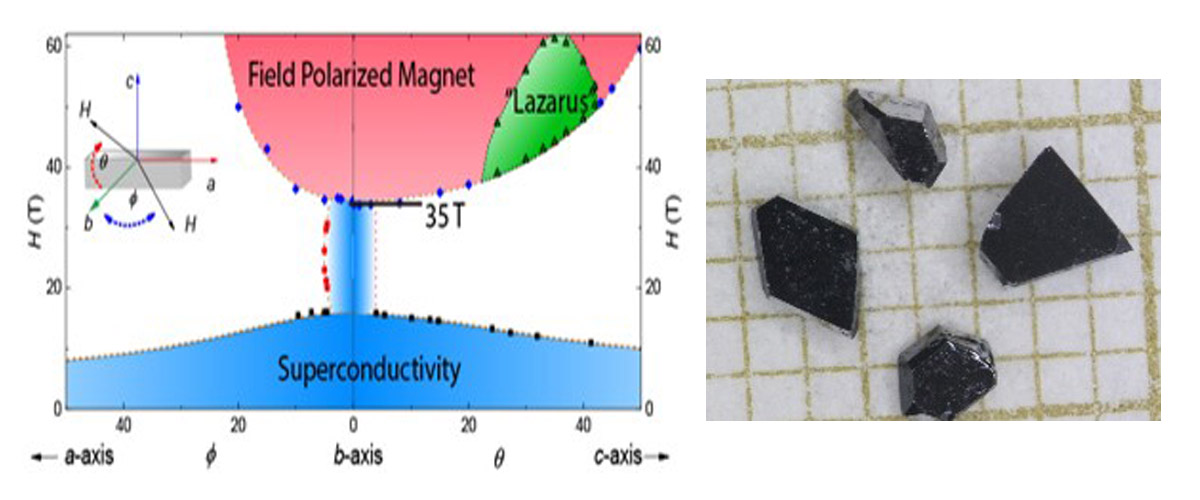
Studies of uranium ditelluride in high magnetic fields show superconductivity switching off at 35 T, but reoccurring at higher magnetic fields between…