

Contact: Kristin Roberts
TALLAHASSEE, Fla. — Think of the biggest medical challenges of our time and you’ll find a researcher tackling them head on at the FSU-headquartered National High Magnetic Field Laboratory. The MagLab harnesses a fleet of the most powerful magnets on Earth to unlock the secrets of human biology, peering deeper into molecular structures than ever before. Cutting-edge research on cancer, migraines, stroke, Alzheimer’s, and much more is paving the way for next-generation treatments, faster diagnoses, and life-changing cures. Working within the new FSU Health ecosystem, the MagLab is connecting elite scientists and clinical partners to rewrite the future of medicine in Florida.
Here are seven ways the MagLab is pushing the frontiers of medicine and advancing human health.
Targeting a Key Cancer Driver
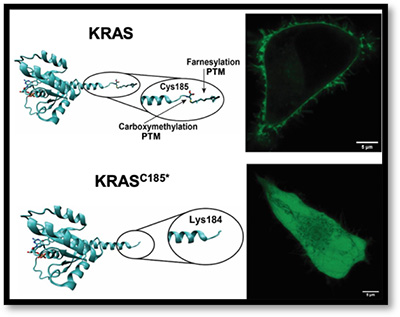
MagLab researchers uncovered a major piece of the puzzle regarding how the KRAS gene contributes to cancer. KRAS tells cells when to divide. When it mutates, it causes cells to multiply uncontrollably. These faulty mutations are found in nearly 30% of all human tumors. Using Ion Cyclotron Resonance mass spectrometry, researchers mapped the exact structures of intact KRAS proteins in colon cancer tumors. The team discovered a brand-new "shortened" version of the KRAS protein which travels differently in the cell and sends growth signals to the cell’s DNA. This research provides vital clues to help scientists design smarter, more effective cancer therapies.
Promoting Stroke Recovery
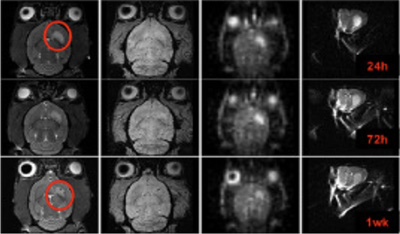
Scientists using the world’s strongest MRI found a potential breakthrough for stroke treatment using human stem cells. The researchers reconfigured the cells to promote healing and growth, so the stem cells would survive the hostile environment of a stroke lesion. Tested in pre-clinical models, these aggregated stem cells improved survival, reduced brain lesion sizes and stimulated noticeable motor function recovery, offering a promising strategy to boost the effectiveness of future stroke therapies.
Seeking New Drugs to Fight Antibiotic Resistant Bacteria
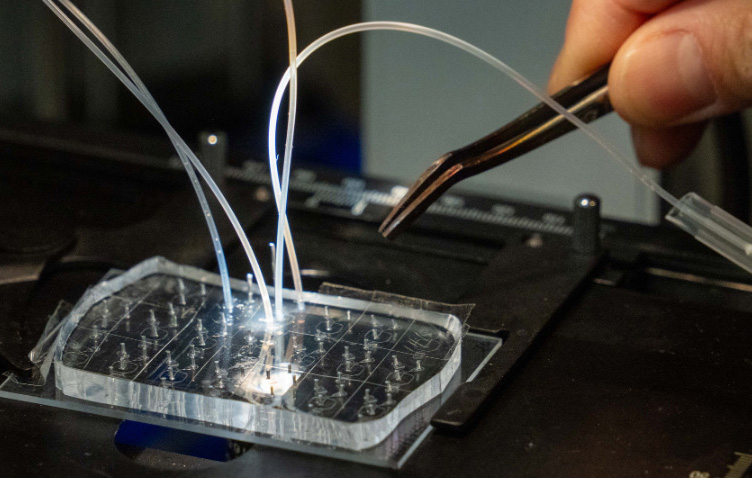
An interdisciplinary team of researchers joined forces in an ambitious initiative to combat the rising threat of drug-resistant bacteria. The group is planning to screen a billion soil microbes from around the world seeking natural sources for new antibiotics. The project will leverage the MagLab’s powerful Ion Cyclotron Resonance mass spectrometers to analyze and identify these novel bioactive molecules that could be used to develop new drugs. Drug-resistant bacterial infections are one of the leading killers globally, with cases expected to rise dramatically in the next 25 years.
Characterizing Cartilage to Improve Treatments for Joint Disease
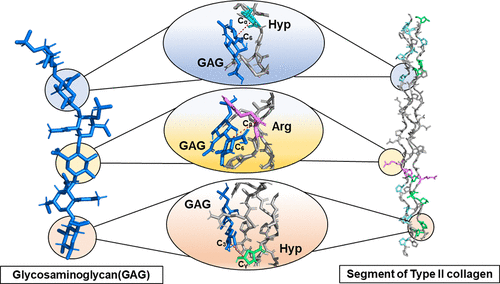
Using advanced, solid-state Nuclear Magnetic Resonance and a technique called Dynamic Nuclear Polarization, researchers successfully observed the microscopic interactions of sugars and proteins in cartilage for the first time. They discovered that the sugars and proteins bind directly to one another at an atomic level, forming tiny "bridges" that hold the structure together. This breakthrough could lead to better treatments for joint diseases like osteoarthritis and improve the development of synthetic cartilage materials.
Mapping the Protein that Powers Tuberculosis
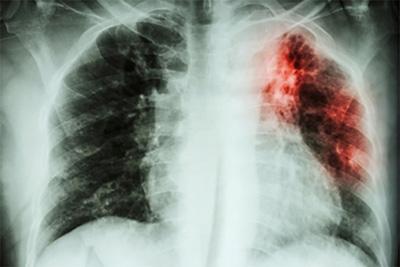
Harnessing the National MagLab’s high-powered Electron Paramagnetic Resonance spectrometer, chemists mapped a unique protein linked to deadly, virulent strains of tuberculosis. Unlike similar proteins, this rule-breaking variant has an unoccupied atomic site. Researchers believe this open site acts like a plug-in for molecules that help the bacteria function. It's also believed the protein may help build TB's thick, waxy cell walls, which make it less susceptible to treatment. The finding represents a critical first step toward understanding how the protein may help tuberculosis bacteria survive and could potentially lead to the design and development of new TB treatments.
Pinpointing the Precursors of Migraines
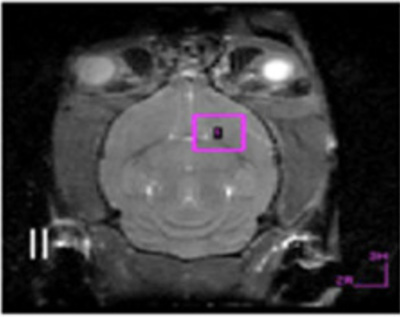
Researchers using the world’s strongest MRI discovered a link between migraines and sodium distribution in the brain. The team scanned rats and found a spike in sodium levels within the brainstem before any migraine symptoms appeared. This new finding helps pinpoint exactly where migraine symptoms may start. Moving forward, the scientists plan to study whether existing treatments impact this sodium buildup, paving the way for more effective future therapies for millions of migraine sufferers.
Delving into a Deadly Fungus
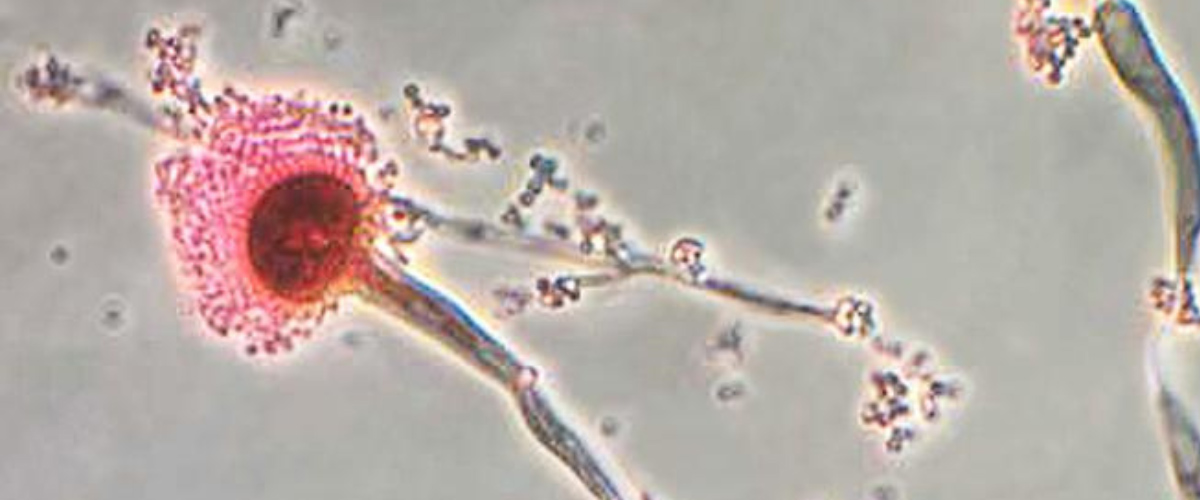
Using a powerful Nuclear Magnetic Resonance technique, MagLab scientists mapped the complex cell wall of Cryptococcus, a drug-resistant fungus that kills tens of thousands of people globally every year. They discovered that five distinct large sugar molecules act as an internal scaffold to protect the fungal cell. This sturdy framework explains why the fungus survives so well inside the human body and resists many modern antifungal drugs. By learning how this molecular shield is built the research opens vital new opportunities to design smarter, more effective, and targeted antifungal therapies.