


The MagLab is funded by the National Science Foundation and the State of Florida.
The MagLab is funded by the National Science Foundation and the State of Florida.
These monthly highlights represent the most promising and cutting-edge research underway in the lab’s seven user facilities.
December 19, 2025
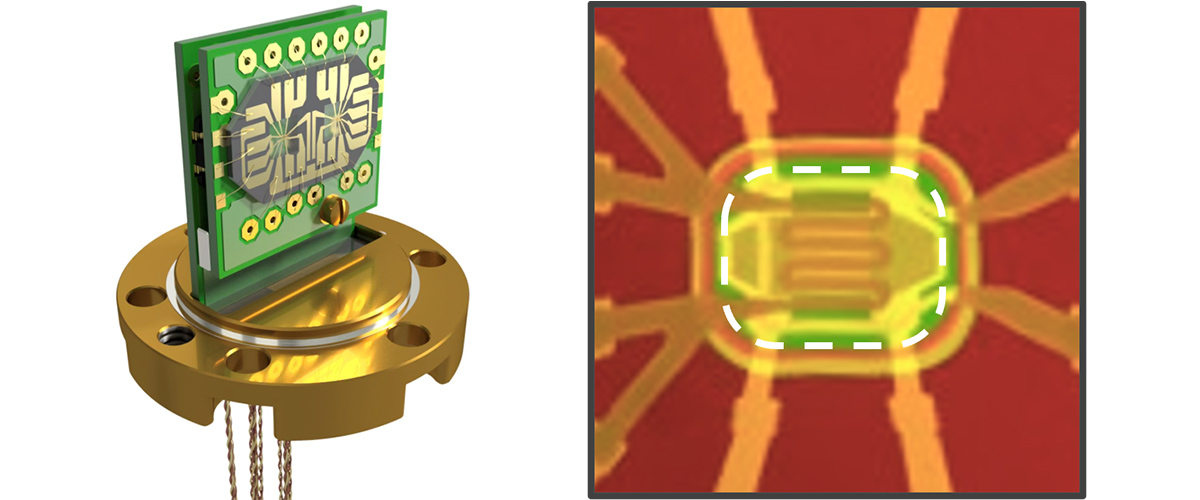
We discovered strong evidence for a brand-new kind of “electron-like” particle in an electrical insulator: it behaves like an electron in motion but c…
December 19, 2025
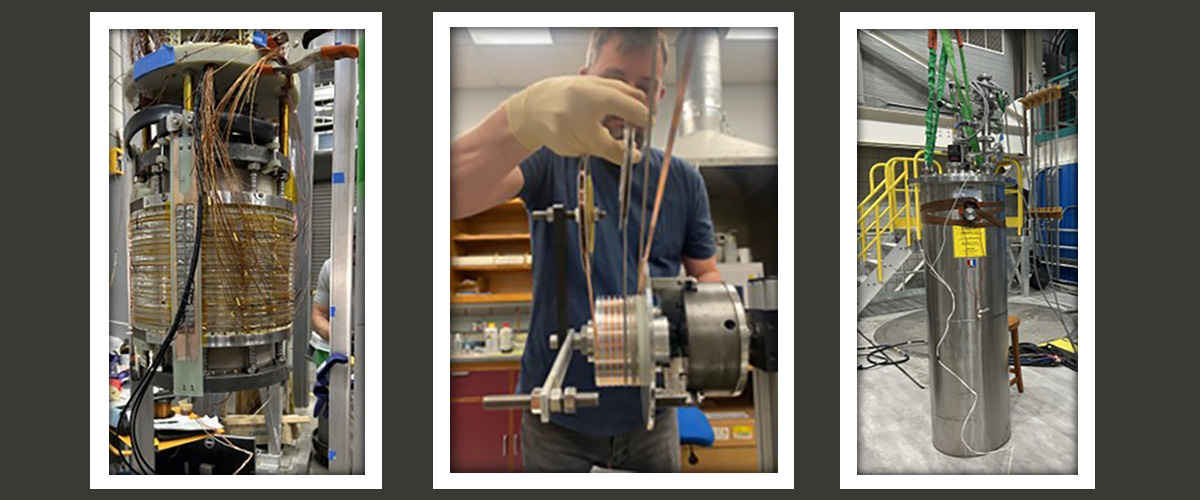
A large coil fabricated with a high temperature superconducting tape (REBCO) has been designed, fabricated, and tested to demonstrate state-of-the-art…
November 17, 2025
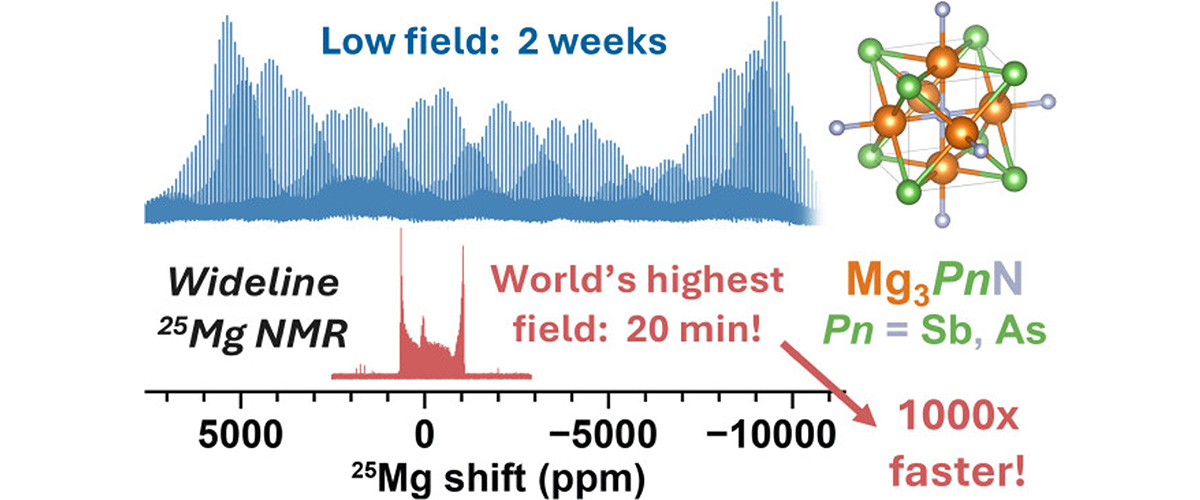
We used the world’s strongest magnet to uncover how magnesium ions move through antiperovskites, a new class of solid materials that could power futur…

November 17, 2025
Scientists need data that’s easy to find, understand, and reuse—both by people and computers. This kind of data is called FAIR, and it’s especially im…
October 14, 2025
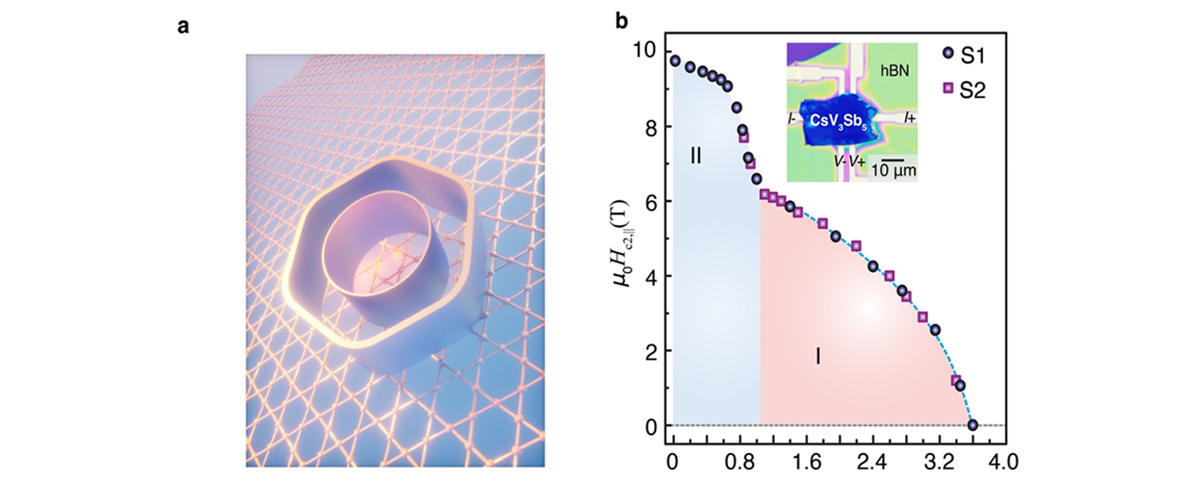
Scientists at the National High Magnetic Field Laboratory have discovered that the kagome superconductor CsV3Sb3 hosts not one but two distinct superc…
October 14, 2025
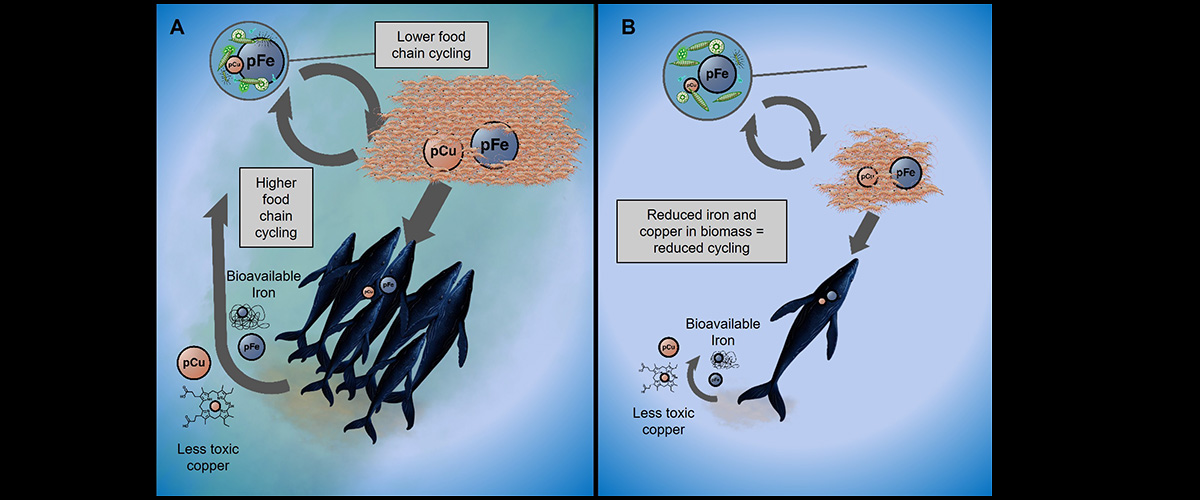
Whales don’t just eat krill; they help fuel the ocean by releasing a form of iron that the plants of the sea (phytoplankton) can use. They also releas…
September 11, 2025
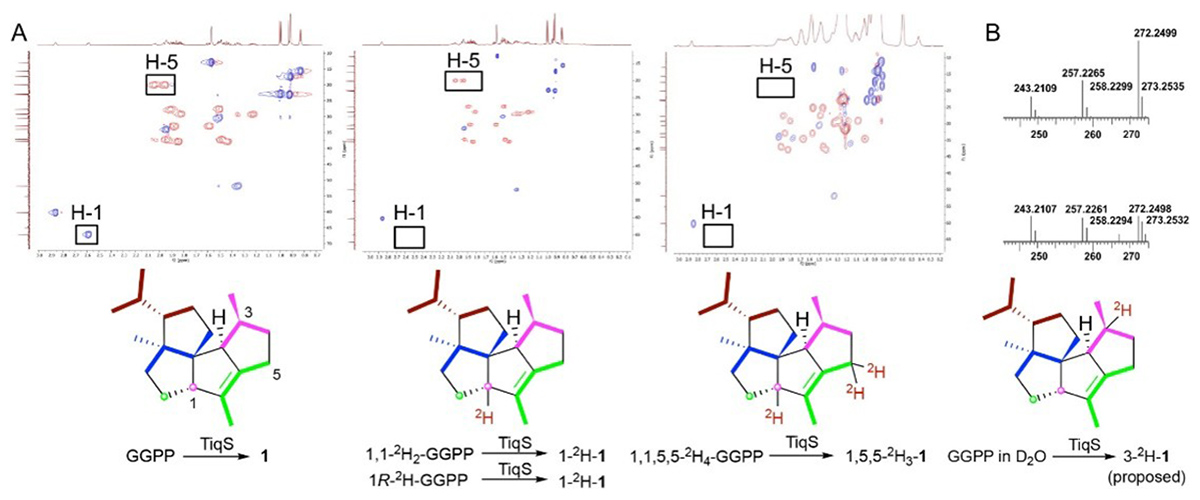
Using the MagLab’s world leading high field NMR at AMRIS, scientists from UC Davis and UF uncovered how certain bacteria create complex molecules call…
September 11, 2025
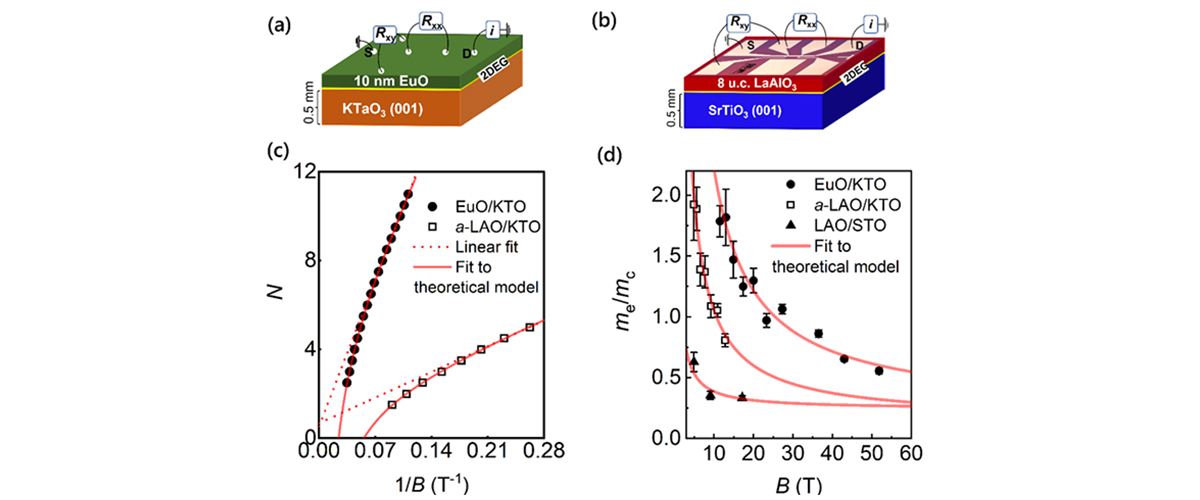
When two insulating oxides (e.g., SrTiO3 and LaAlO3) are brought together, their interface surprisingly becomes conductive. By studying these oxide in…
September 11, 2025
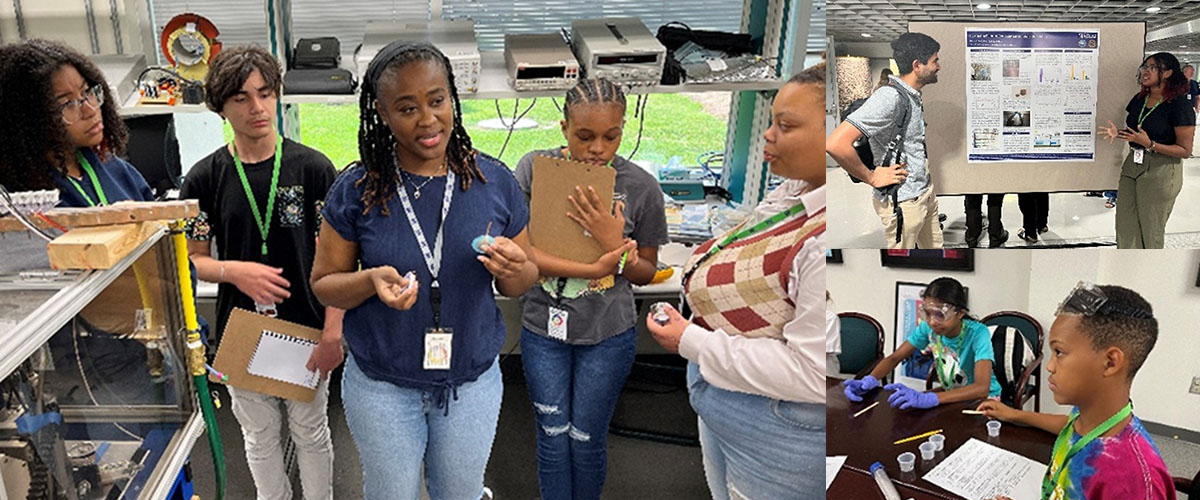
Around 95% of alumni of MagLab middle and high school programs report long-term impact on science career interests.
August 14, 2025
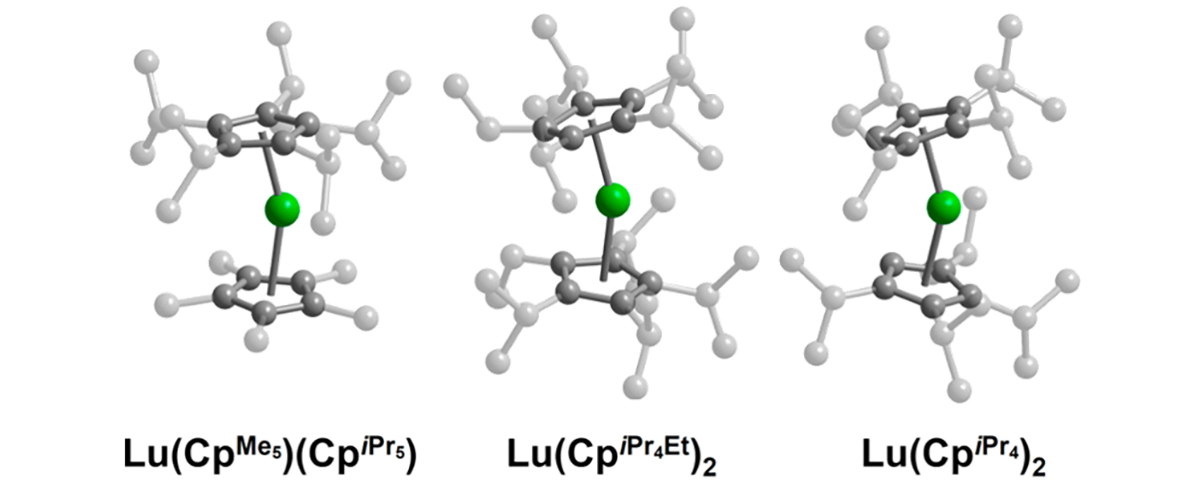
Chemists from the Naval Air Warfare Center and UC Berkeley have demonstrated chemical control of the electron-nuclear hyperfine interaction in a serie…
August 14, 2025
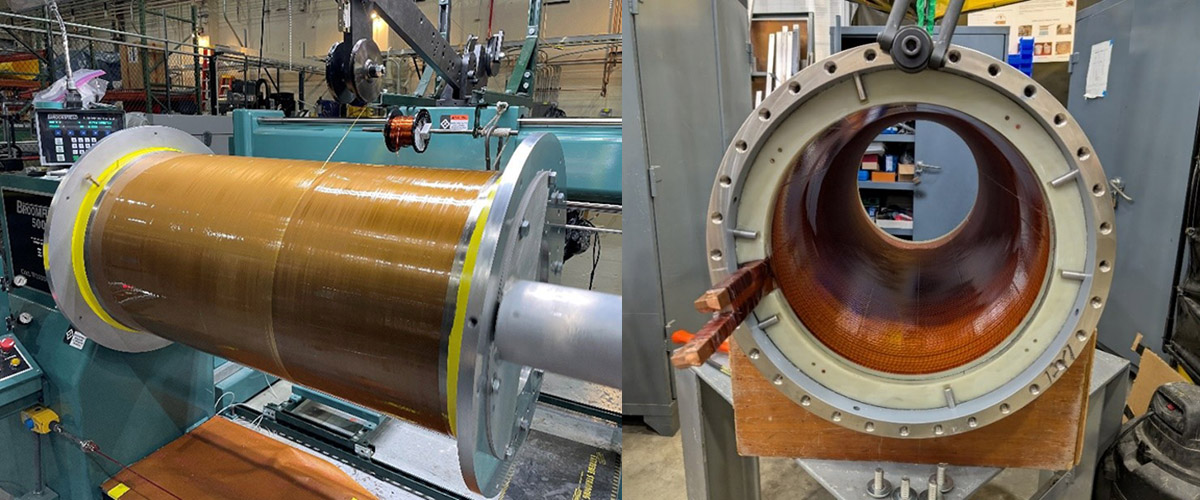
The MagLab has completed an important milestone with the fabrication completion of all coils for the 60 T controlled waveform pulsed magnet. It will s…
July 17, 2025
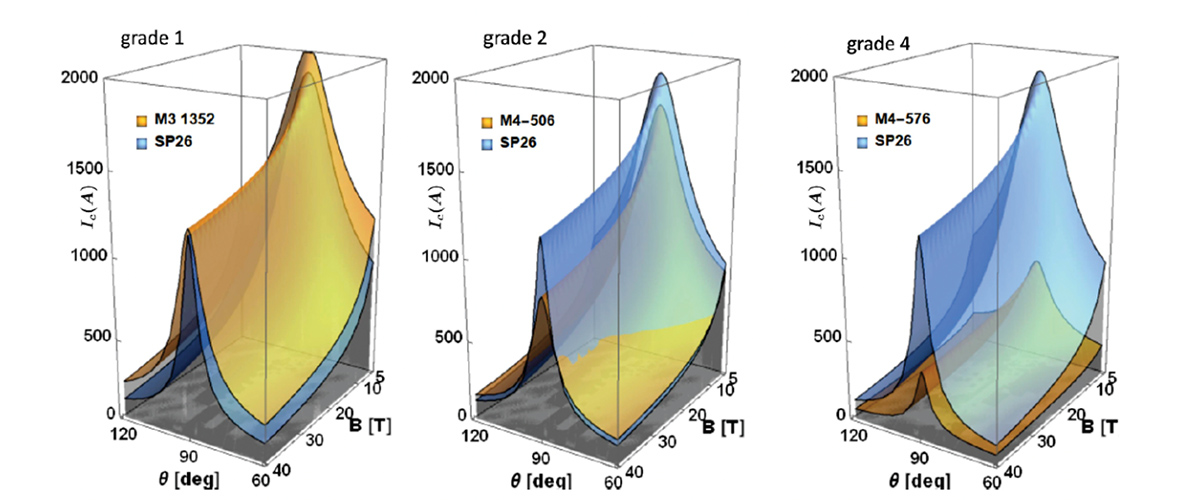
A new technique from MagLab researchers uses a material’s natural twist in a magnetic field to quickly measure its performance, paving the way for nex…
July 17, 2025
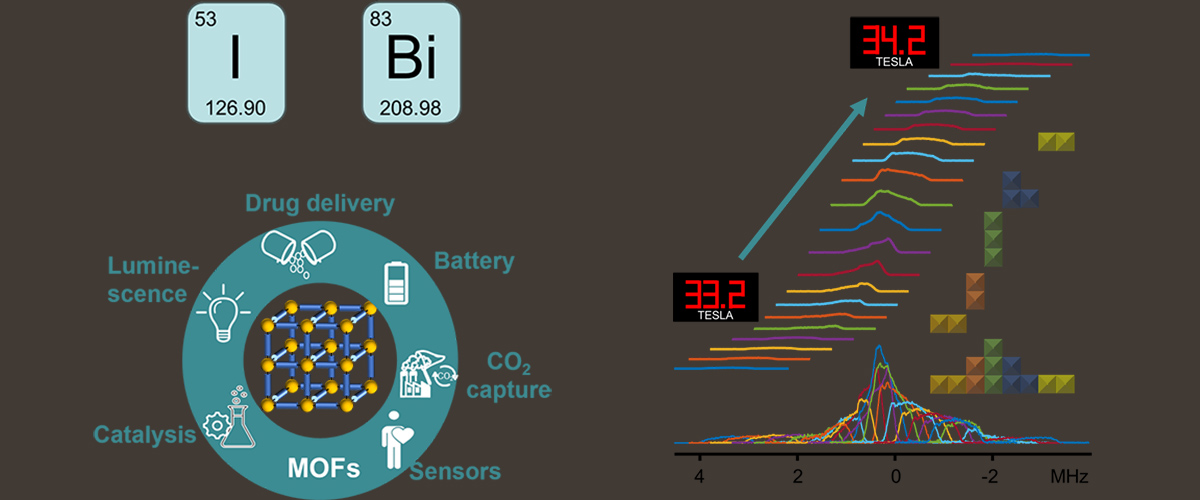
Researchers used a powerful 36 Tesla magnet at MagLab to study the atomic structure of porous materials (MOFs) with bismuth and iodine NMR, aiding the…
July 17, 2025
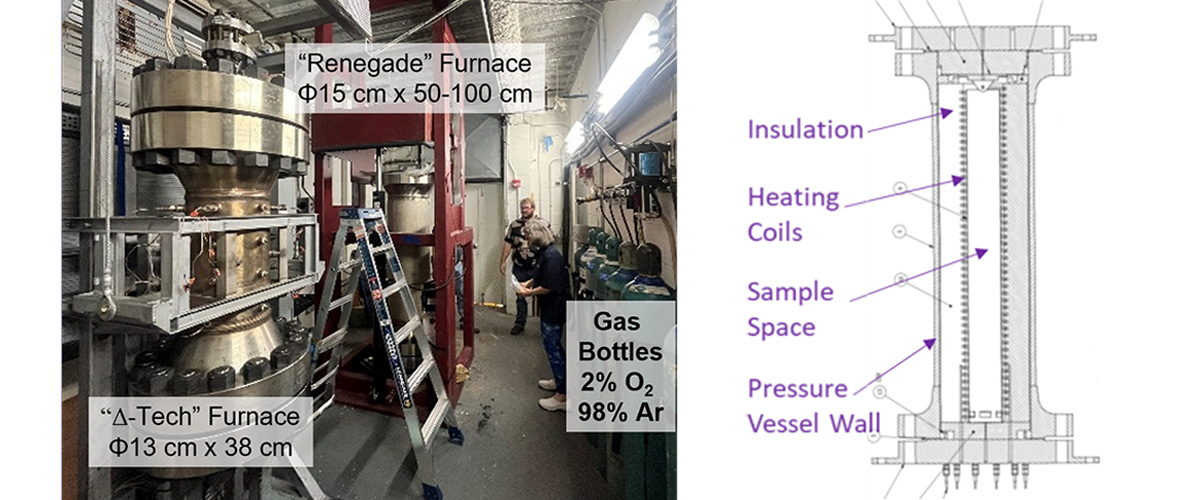
Two upgraded furnaces are now available to manufacture next-generation magnets. These furnaces enable manufacturing of magnets up to 15 cm diameter an…
June 13, 2025
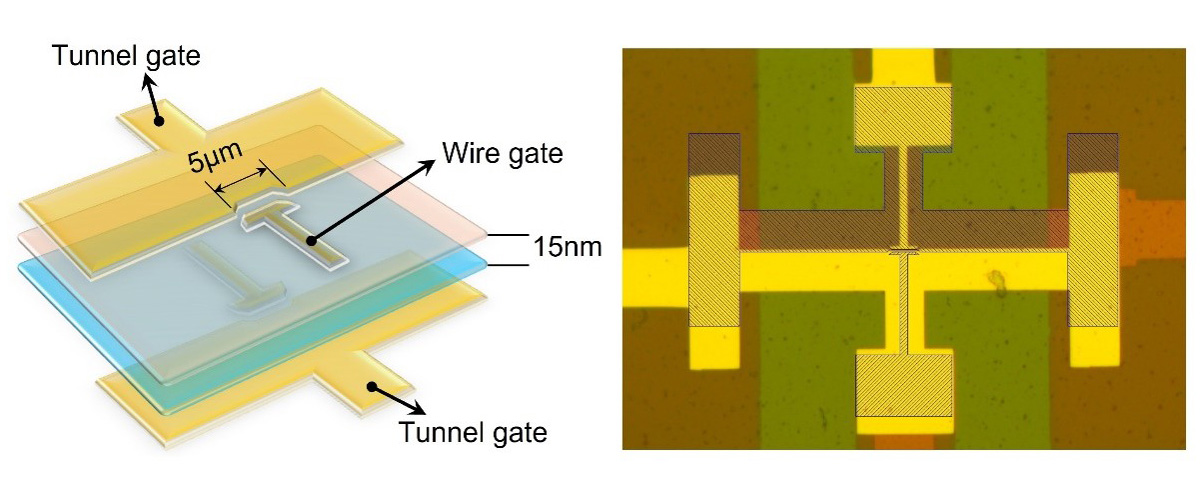
This is B=0 work in the new dry system in HBT Bay 1 as the magnet delivery was delayed until Nov 2023. The work demonstrates the ability to cool elect…
June 13, 2025
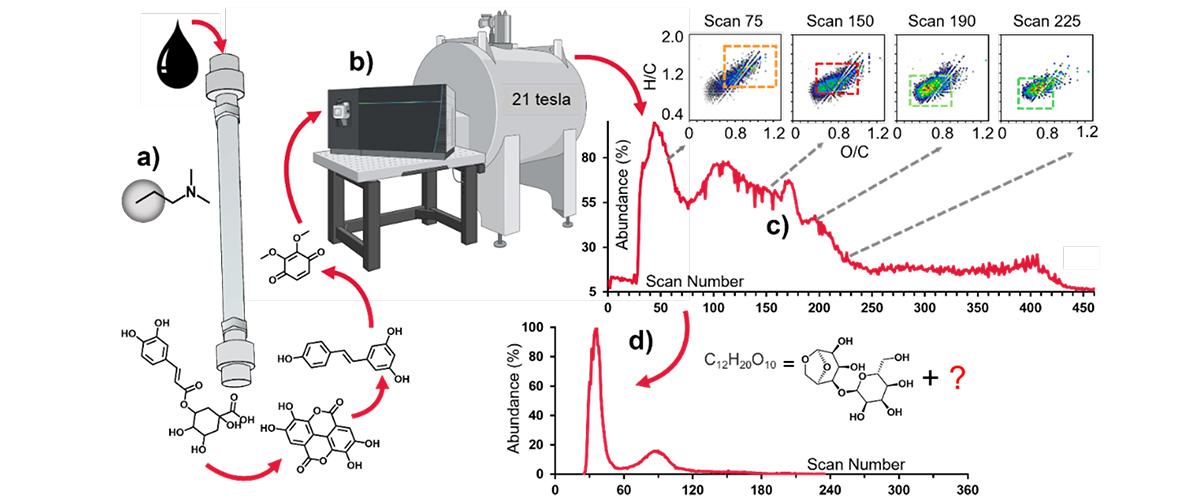
This research introduces a new separation method that is combined with precise mass measurements to identify thousands of previously undetected molecu…
May 22, 2025
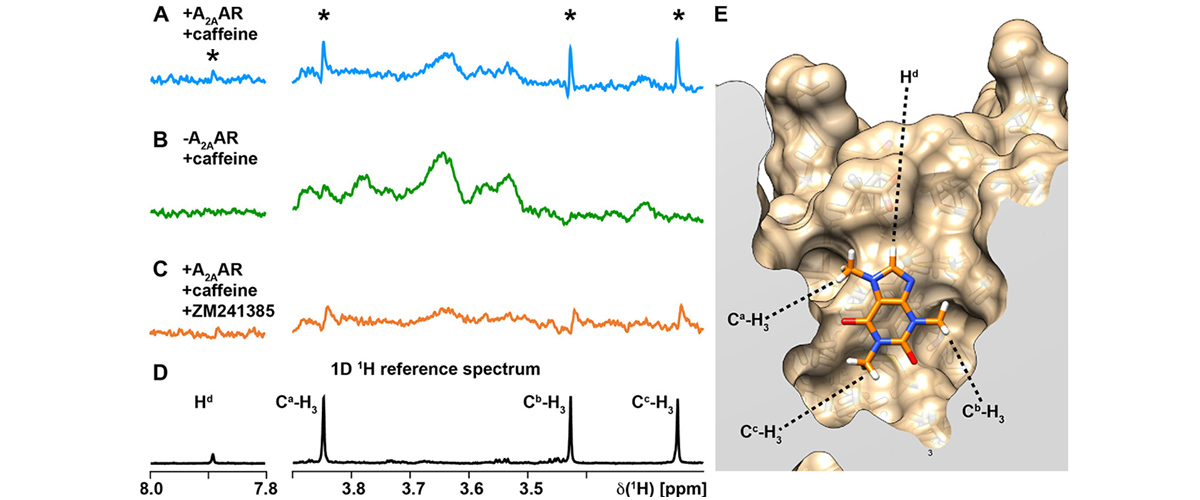
Finding molecules that bind to proteins present in the human body is an essential part of developing new medications. Ordinarily, this is done with “l…
May 22, 2025
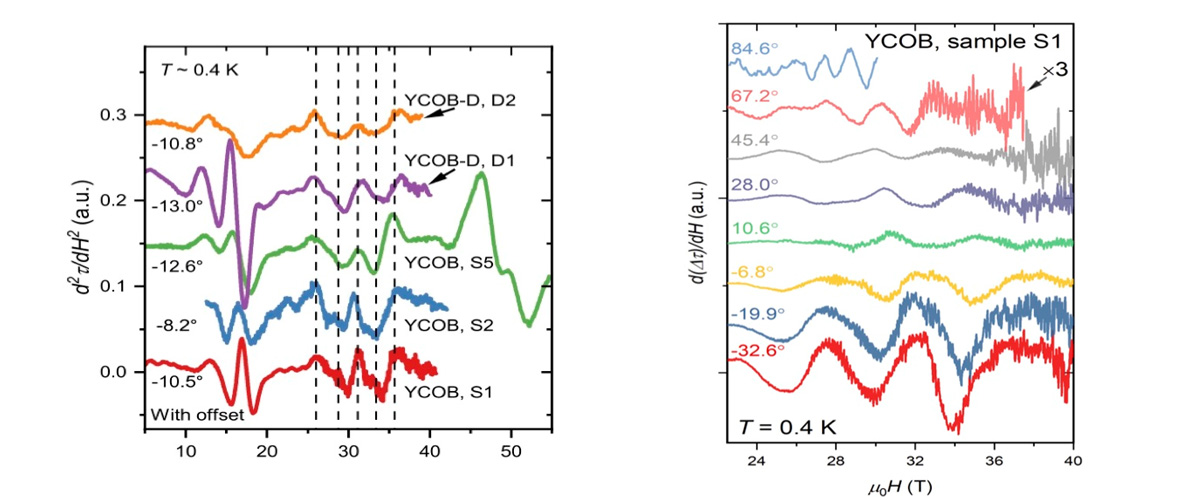
Tiny crystals of a copper-based compound, attached to a microscopic trampoline-like sensor (0.1 mm × 0.1 mm), exhibit subtle mechanical vibrations whe…
April 14, 2025
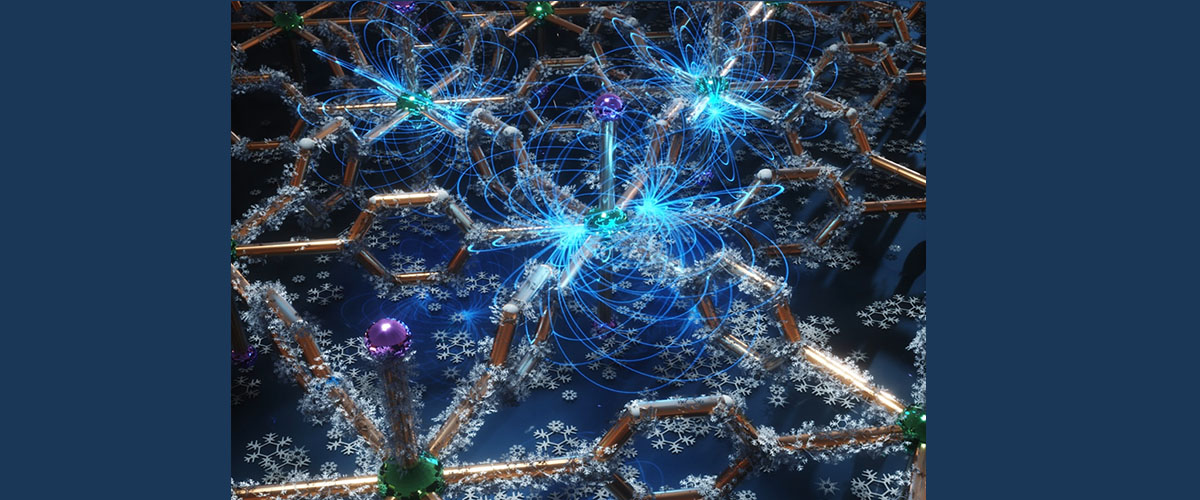
A two-dimensional triangular network of europium ions connected by organic pyrazine molecules is shown to possess the perfect ingredients for efficien…
April 14, 2025
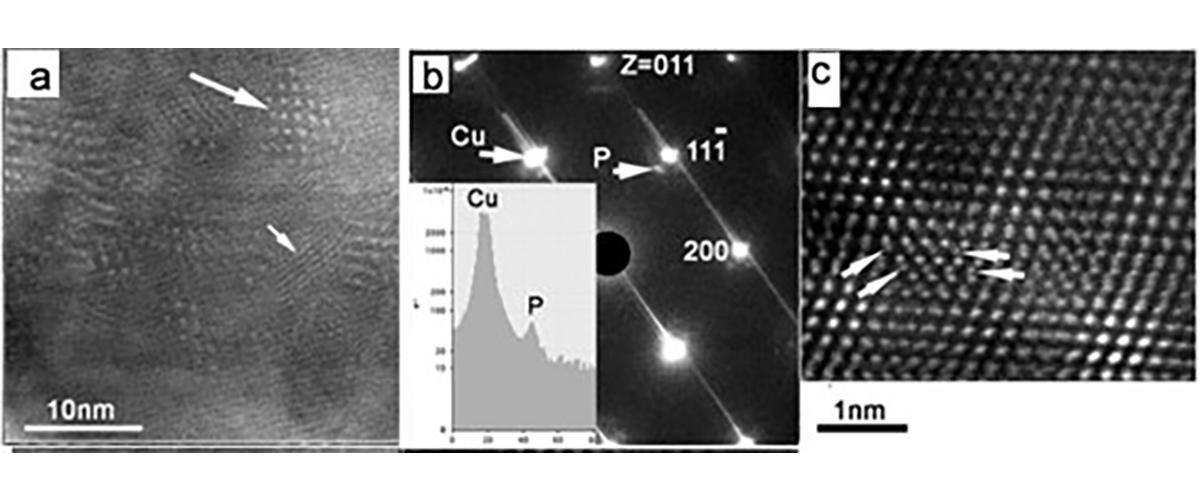
Making strong, long wires without any flaws is really hard. But researchers at MagLab found a way to create nano-particle reinforced, high-strength co…
March 10, 2025
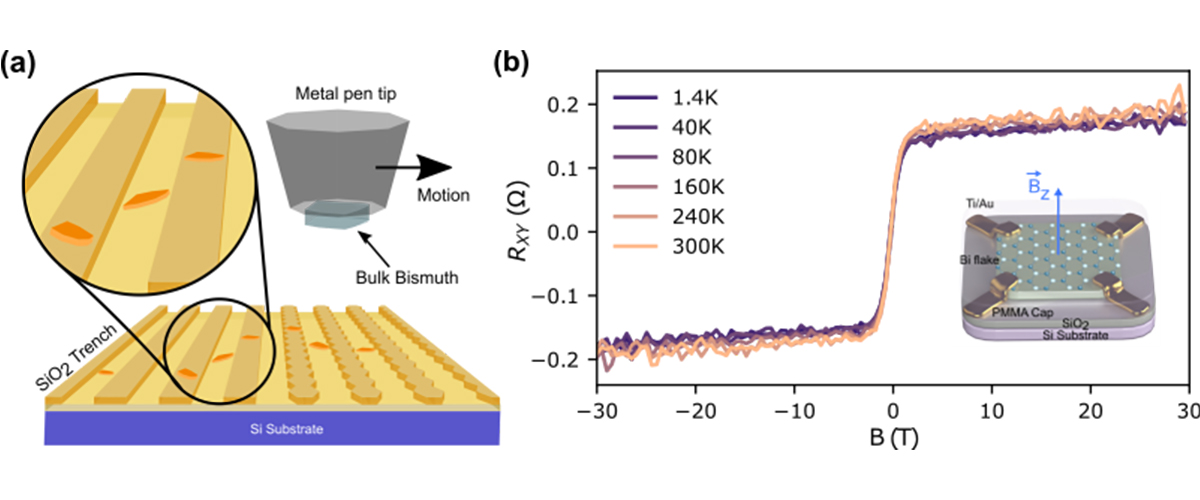
Our ability to observe new physics sometimes depends on the thinnest of margins and in the case of MagLab users from McGill University, that margin is…
March 10, 2025
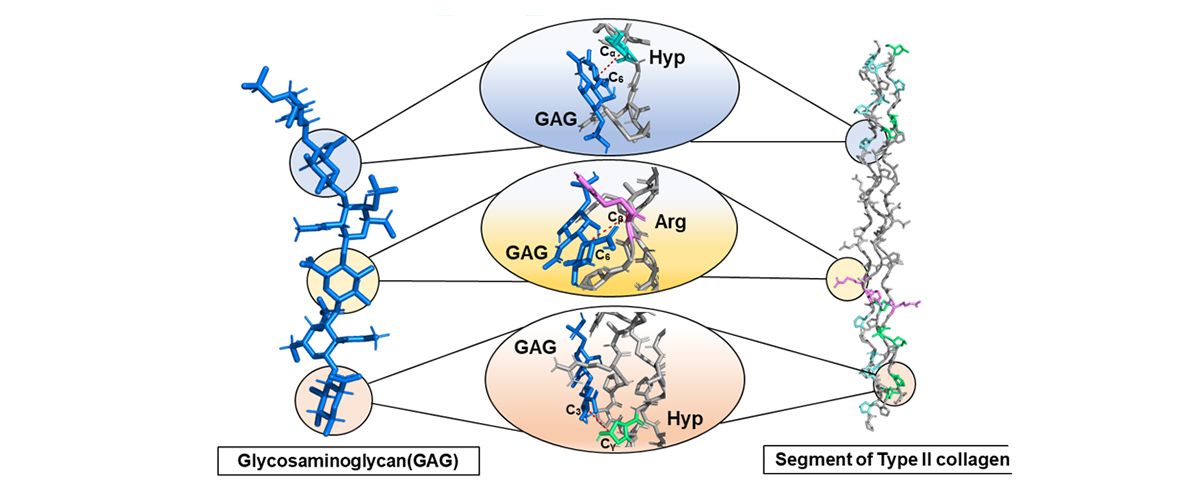
We discovered how two important molecules in cartilage, glycosaminoglycans (GAGs) and collagen, interact at the atomic level. Using advanced NMR techn…
February 12, 2025
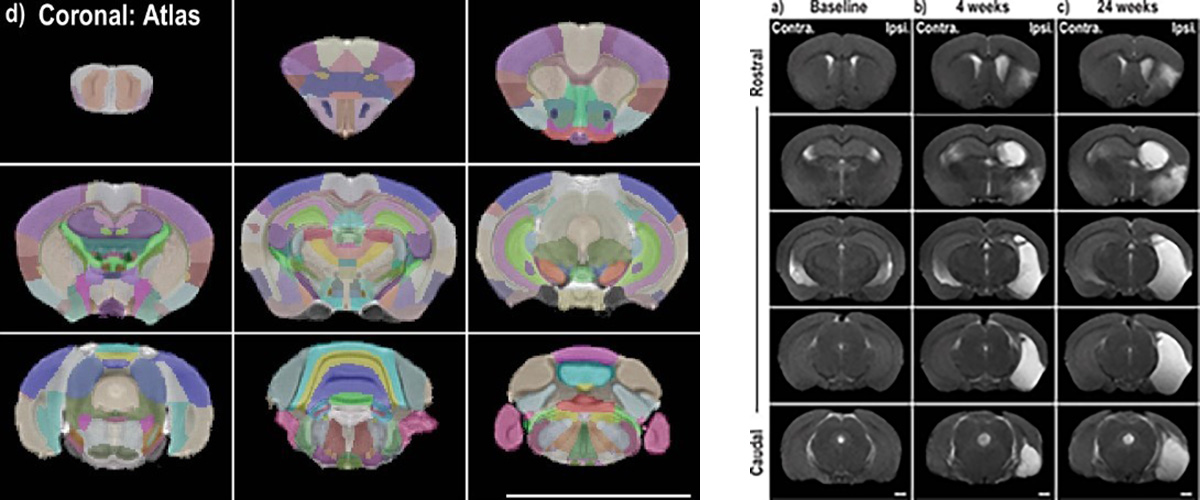
Researchers induced ischemic stroke in African spiny mice—rodents uniquely capable of regenerating damaged tissue without scarring—and used magnetic r…
February 12, 2025
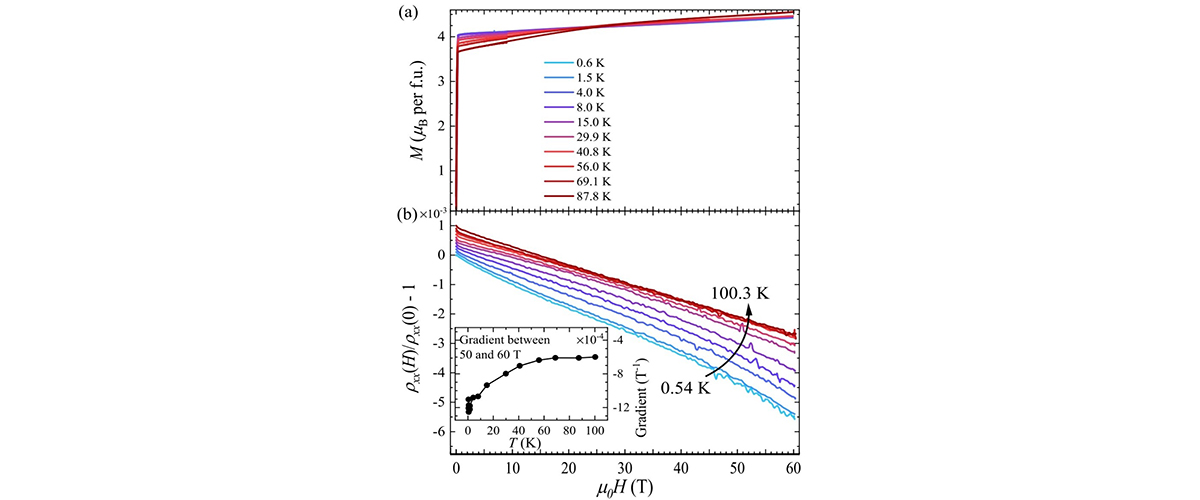
The layered material Fe3-xGeTe2 (FGT) shows new and unusual magnetic and electrical behavior when it is subjected to 60 T magnetic fields. This behavi…
February 12, 2025
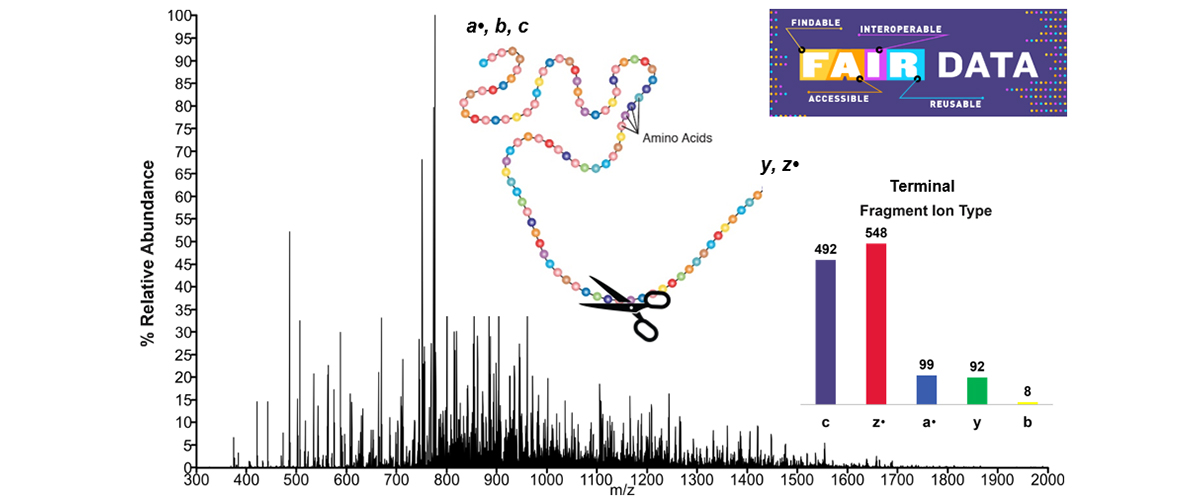
MagLab data collected with the 21 tesla FT-ICR mass spectrometer demonstrate the risk associated with internal fragment annotation in mass spectra of …
January 14, 2025
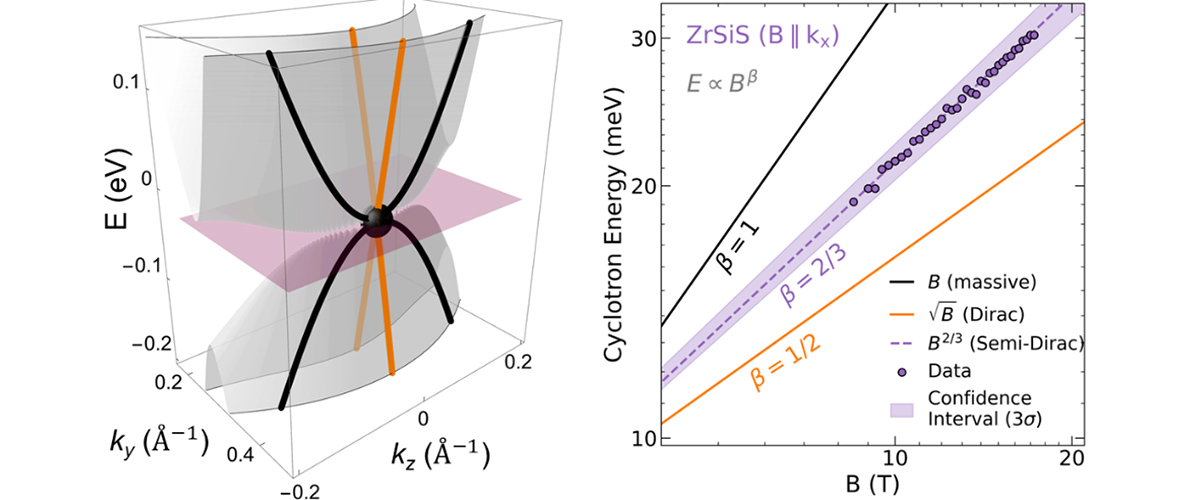
In the zoo of emerging quasiparticles in condensed matter physics, semi-Dirac fermions stand out as being massive and massless depending on the direct…
January 14, 2025
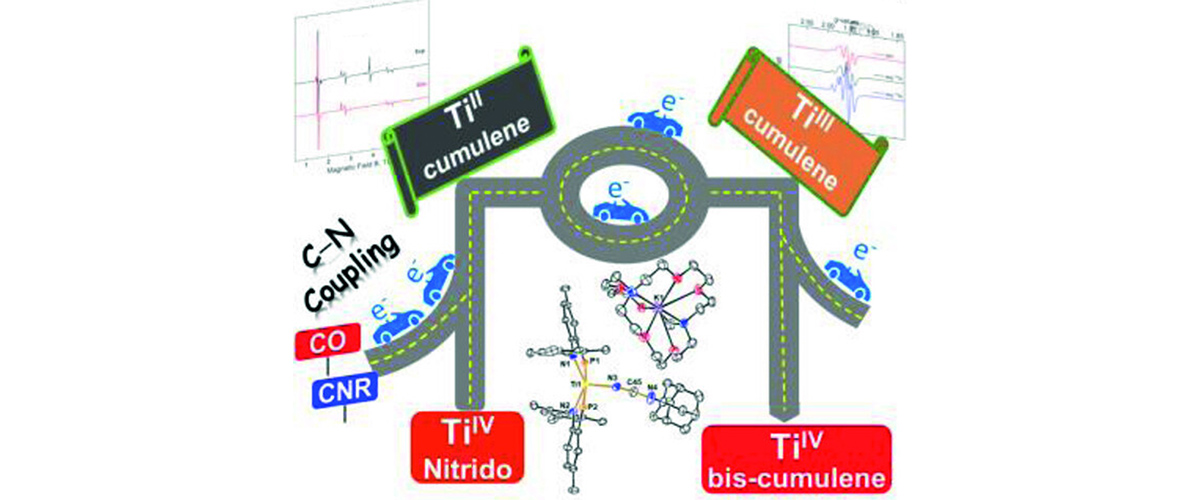
Molecules containing the Earth-abundant metal, titanium, are widely used as catalysts for production of polymers such as polyethylene, polycarbonates …
January 14, 2025
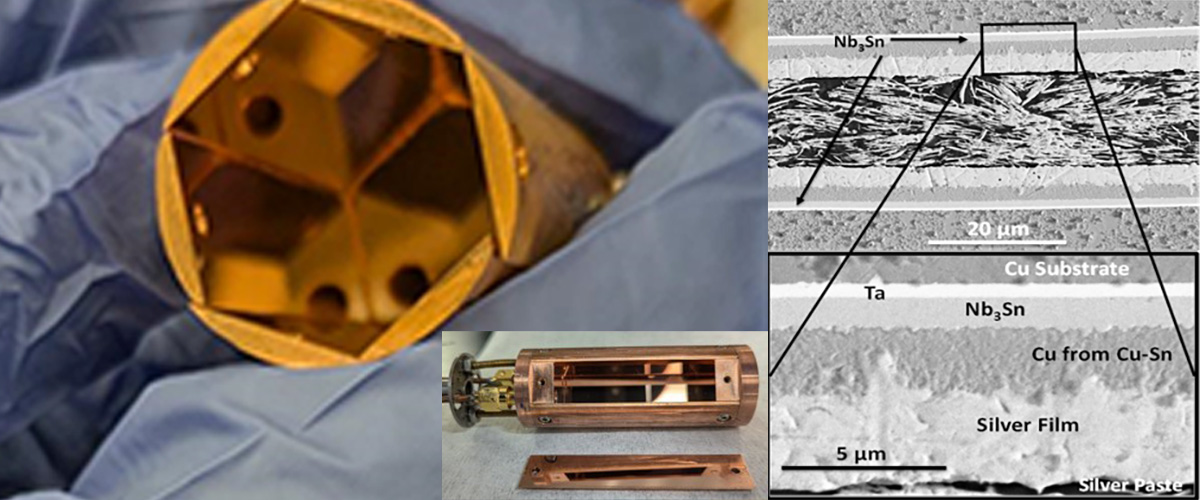
We developed a new fabrication method using superconducting materials inside a box, making it more efficient than current designs. This helps create p…
Last modified on 15 July 2026