TALLAHASSEE, Fla. — The MagLab community and friends and colleagues around the world are mourning the loss of Robert Schurko, director of the lab’s Nuclear Magnetic Resonance facility, professor of chemistry at Florida State University, and internationally recognized researcher. Schurko died February 20 after a battle with pancreatic cancer. He was 55.
“Rob was an extraordinary leader of our NMR team, an exceptional scientist, and a truly remarkable human being,” said MagLab Director Kathleen Amm. “He was a dedicated mentor and teacher to his students and a highly respected senior faculty member in the Department of Chemistry and Biochemistry, with numerous accomplishments.”
Schurko joined Florida State University and the MagLab in 2019, becoming the lab’s Director of NMR in 2020. He was known for pioneering work in solid‑state nuclear magnetic resonance, advancing methods that enabled access to elements across the periodic table.
“Rob left everyone a strong impression that he was very intellectual and highly organized and possessed a high level of clarity in both presentation and communication,” said Wei Yang, Chair of the Department of Chemistry and Biochemistry at FSU.
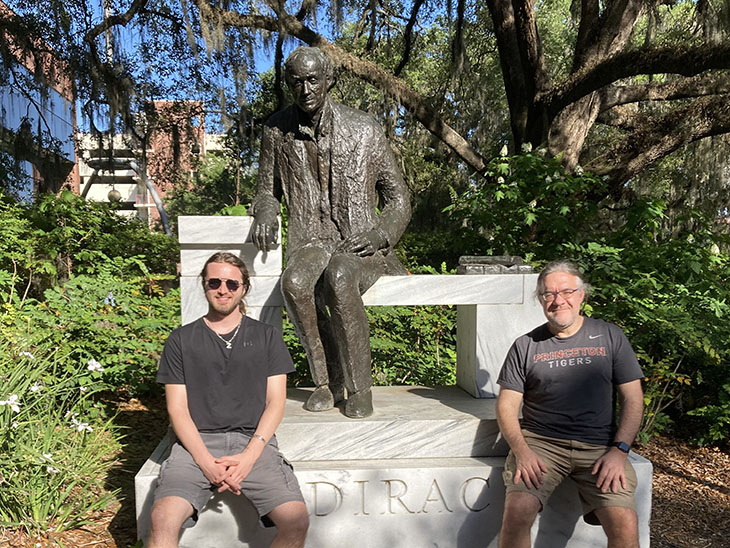
Schurko’s research garnered several prestigious awards and distinctions. In 2023, he received the Regitze Vold Prize for his important contributions to solid-state nuclear magnetic resonance over 25 years. In 2025, he was named to the Academy of Science, Engineering and Medicine of Florida in recognition of his extraordinary accomplishments.
Schurko was also acclaimed for his exceptional work as a teacher and mentor, engendering a passion for magnetic resonance research among his students, many of whom continued to work in the field in academic and industrial settings.
“Rob will be deeply missed by his family, friends, current and former group members, colleagues, collaborators, and past mentors,” wrote Aaron Rossini, a former student of Schurko’s and now professor at Iowa State University and Ames National Laboratory.
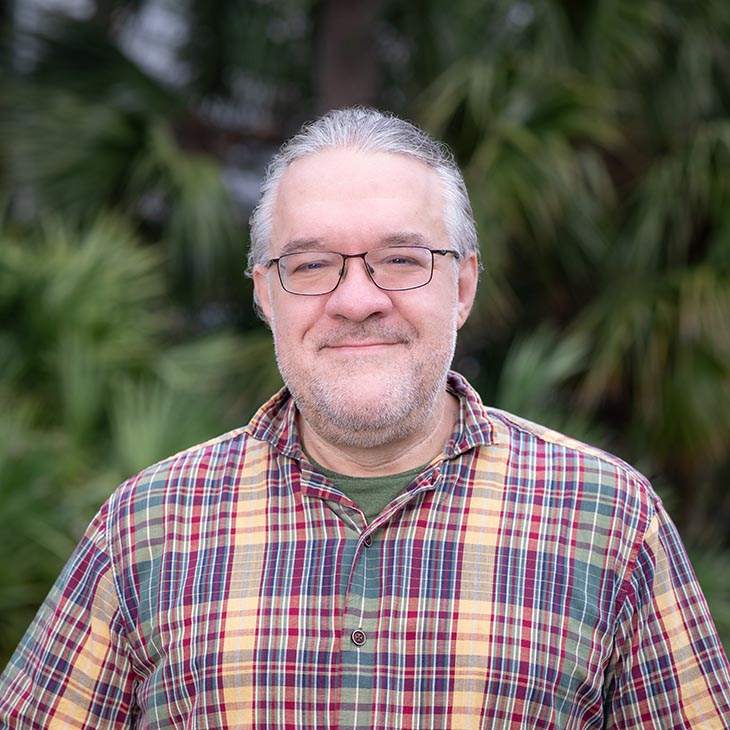
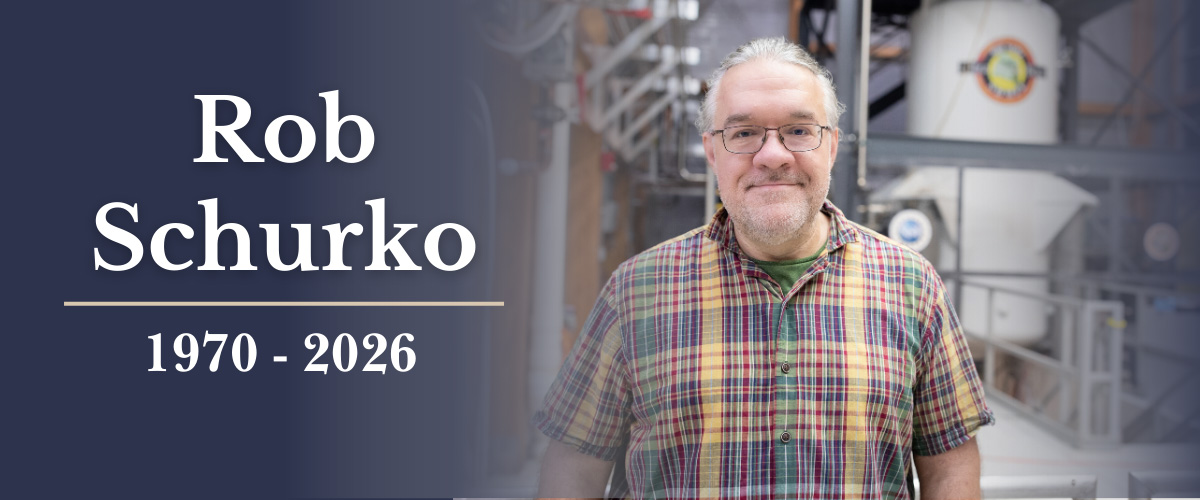
Rob Schurko
Photo: Devin Bittner, FSU College of Arts & Sciences
“Despite his diagnosis with pancreatic cancer last year, Rob remained steadfast in his passion for science and teaching. He continued to maintain his energy, teach class, and work with his students and the folks at the MagLab, approaching each day with courage and commitment,” said Amm.
Schurko, born and raised in Winnipeg, Manitoba, Canada, obtained his bachelor’s and master’s degrees at the University of Manitoba and his Ph.D. at Dalhousie University. He conducted postdoctoral studies at SUNY, Stony Brook and University of Illinois, Chicago. He spent 19 years as a Professor of Chemistry at the University of Windsor, Canada prior to joining the MagLab.
Lucio Frydman, MagLab Chief Scientist for Chemistry & Biology called Schurko a “first-rate scholar and teacher of teachers.” Schurko studied with Frydman at the University of Illinois, Chicago.
“I was fortunate to have been his postdoc advisor in 1999-2000, but even luckier to have kept in touch with him, working with him, and learning from him, ever since,” Frydman said.
Schurko’s lab developed cutting-edge NMR techniques to study a variety of materials with applications for pharmaceuticals, nanoparticles, catalysts, and more. One of his recent projects, funded by the Department of Energy, was analysis of platinum group elements to better understand how those materials, critical to many technologies, form complex molecular structures.
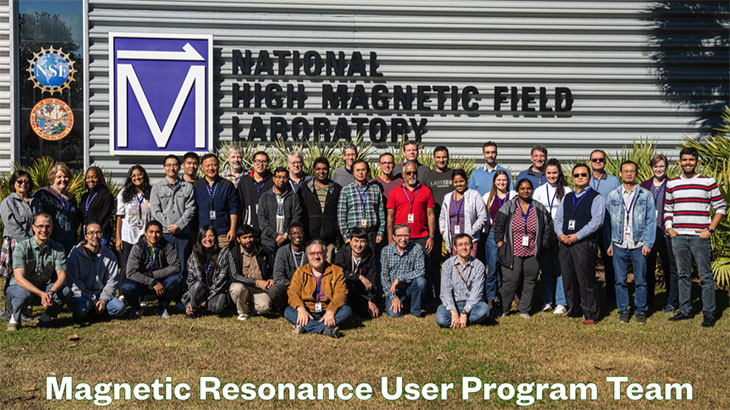
No matter the focus, Schurko embraced collaboration, whether with students or colleagues, and showed great passion for the pioneering work happening in his lab.
“Solid-state NMR is helping us solve structures of pharmaceuticals, catalysts, and advanced materials that are too complex for conventional techniques,” Schurko wrote. “We are pushing the boundaries of what’s possible by building powerful new instruments and working side-by-side with users to answer questions that no one else can. That combination of technology, collaboration, and discovery is what keeps me excited every day,” Schurko said.
Zhehong Gan will serve as interim director of the MagLab’s NMR user facility until Schurko’s replacement is named.